Fire damage is a devastating experience, leaving homes and lives in shambles. House clearance after fire damage is a crucial step towards recovery, but it's complex and emotionally charged. Understanding safety protocols, structural integrity assessment, insurance claims navigation, and the intricate process of restoration is essential for a smooth transition back to normalcy. This comprehensive guide delves into every aspect from assessing damage, understanding coverage, choosing the right restoration company, to efficient debris removal—even offering insights on fire prevention and eco-friendly practices. We provide expert tips for tenants, landlords, business owners, and homeowners alike, ensuring you're prepared for every step of the journey towards rebuilding your life after a fire.
- Assessing Home Damage: House Clearance After Fire
- Navigating Insurance & Restoration Process
- Safety & Restoration: Reconstructing Post-Fire Life
Assessing Home Damage: House Clearance After Fire
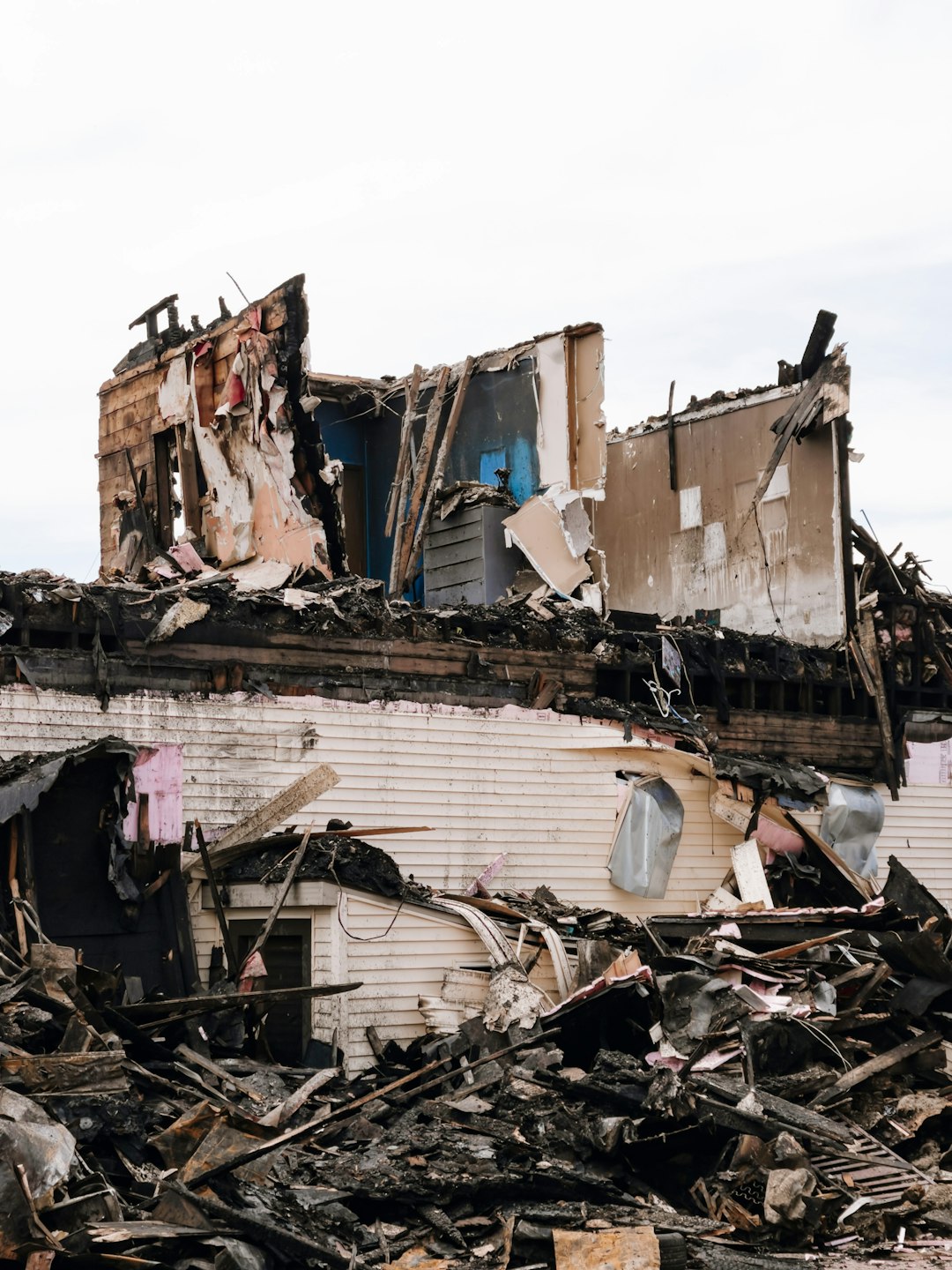
After a fire, one of the most critical steps is house clearance after fire damage. This process involves safely removing destroyed or damaged belongings and preparing the space for restoration. It's not just about removing physical debris; it's also about ensuring a safe and healthy environment for residents and workers. The cost of fire damage restoration includes not just repairs but also house clearance, which can significantly impact the overall financial burden.
Effective house clearance requires a systematic approach. Start by evaluating the extent of the damage, prioritizing areas for safety and accessibility. Personal belongings often hold sentimental value, making the restoration of these items a priority for many homeowners. Professionals in fire damage remediation can assist in documenting and packaging these items carefully for cleaning and restoration. For instance, delicate items like furniture, artwork, and electronics require special handling to prevent further damage during the clearance process.
In multi-family housing complexes, fire safety in these spaces is paramount. Clearing common areas, ensuring the safety of shared amenities, and coordinating with residents are essential tasks. The goal is to create an environment conducive to restoration while maintaining the health and safety of everyone involved. After the initial clearance, professionals can assess the structural integrity of the building and begin repairs, aiming to restore the property to its pre-fire condition. For those considering selling a home with fire damage, a comprehensive guide to house clearance and restoration is crucial. It not only helps in navigating the claims process but also ensures the property is restored to its highest value, attracting potential buyers.
Visit us at Salvageable Property After Fire for expert advice on navigating this complex process and restoring your home or business to its former glory. Remember, efficient house clearance is a critical step in the fire damage restoration journey, directly impacting the cost and timeline of repairs.
Navigating Insurance & Restoration Process

After a fire, navigating the insurance and restoration process can seem overwhelming. Understanding your rights, available coverage, and the scope of damage is crucial for a successful recovery. The first step is to document all losses, including house clearance after fire damage. Take detailed photos and keep records of all damaged or destroyed belongings. This step is vital for your insurance claim.
Next, contact your insurance provider promptly. Communicate clearly about the fire, its extent, and any specific damage, including health concerns like smoke odor and fire damage and health concerns. Your policy will determine what's covered, so understand your homeowner's insurance coverage limits. Keep in mind that different policies have varying clauses, and some may require professional restoration services.
When assessing the damage, consider when to replace fire-damaged structural elements. Not all materials can be restored, and safety should always be a priority. Professionals can guide you on structural integrity, especially in cases of extensive fire damage. Restoring your living room after a fire, for example, involves more than just cleaning; it may require rebuilding to ensure safety and longevity.
House clearance and restoration can be costly, with prices varying based on the fire's intensity and extent of damage. As a rough estimate, you can expect to pay around $20,000 to $40,000 for fire damage restoration, but this can significantly fluctuate. Consider seeking expert advice, as professionals like us at How Much Does Fire Cleanup Cost? can provide accurate assessments. They can also recommend eco-friendly approaches, ensuring your restoration is both effective and sustainable.
Remember, the emotional toll of fire damage is significant. Protecting your mental health during this process is crucial. Seek support from family, friends, or professional counselors. Additionally, be aware of legal considerations, such as landlord-tenant rights and insurance disputes. With careful navigation and expert guidance, you can restore your home, address health concerns, and rebuild your life after a fire.
Safety & Restoration: Reconstructing Post-Fire Life

Post-fire life involves a meticulous journey of safety and restoration. As you navigate this challenging period, prioritizing structural integrity and proper clearance are paramount. House clearance after fire damage is more than just removing debris; it's a critical step to ensure a safe, healthy environment for return.
Assessing structural integrity is the first order of business. Professional inspections are crucial to identify fire-damaged elements, from charred walls and melted insulation to weakened foundations. In severe cases, entire sections of a home may need to be demolished, requiring careful planning and adherence to local building codes. Restoring your kitchen after fire damage, for instance, involves not just rebuilding physical structures but also ensuring the safety and functionality of appliances and systems.
Beyond physical repairs, the emotional toll of a fire cannot be understated. Tips for maintaining mental health post-fire are essential tools for residents dealing with trauma. Support groups, counseling services, and community resources can play a vital role in healing. Meanwhile, fire damage and home appraisal considerations should be top of mind when preparing to sell or refinance, as insurance claims and assessment reports will factor significantly into these processes.
Proper house clearance facilitates a more comprehensive restoration, allowing professionals to assess the full extent of damage and implement eco-friendly practices whenever possible. For businesses, a prompt and thorough post-fire cleanup is key to minimizing downtime and facilitating a swift return to operations. Visit us at Emergency Post-Fire Cleanup for expert guidance and support throughout your restoration journey.
After a fire, efficient house clearance after fire damage is crucial for both safety and restoration. The process involves assessing structural integrity, documenting damage, and navigating insurance claims. Key takeaways include understanding building codes, insuring valuable items, and prioritizing mental health recovery. For optimal restoration, hire professionals who can handle both the physical repairs and emotional needs of residents. Regular fire drills, smoke alarm maintenance, and proactive fire safety measures are essential to prevent future catastrophes. Additionally, eco-friendly restoration practices and technology enhance both the environment and home energy efficiency. By following these comprehensive guidelines, homeowners can effectively restore their properties and reclaim their lives after a fire, ensuring a safer, more resilient future.
House Clearance After Fire Damage: A Comprehensive Guide
Fire damage restoration involves a systematic process starting with thorough house clearance to ensure safety and accessibility. Sentimental items require special handling by professionals who document and package them for cleaning and restoration. In multi-family housing, clearing common areas and ensuring shared amenities' safety is crucial. Efficient house clearance impacts the cost and timeline of repairs, affecting both homeowners and businesses.
Documentation and quick insurance claim submission are vital. Understanding coverage limits and varying policy clauses is essential. Structural integrity assessments guide rebuilding decisions, especially in extensive damage cases. House clearance costs vary based on fire intensity and damage extent, averaging $20,000-$40,000. Seeking expert advice for accurate assessments and eco-friendly restoration methods is recommended.
Emotional well-being support is crucial during this period, along with awareness of legal considerations like landlord-tenant rights. Proper house clearance facilitates comprehensive restoration, ensuring a safe, healthy environment for return to normalcy.