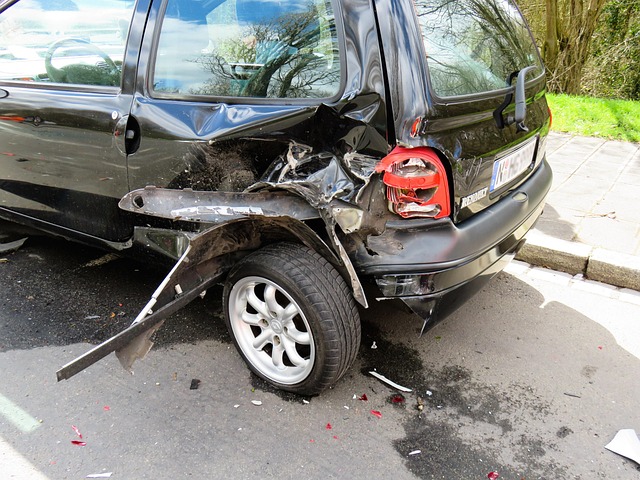
Understanding your insurance policy for fire damage is crucial before initiating house clearance. Document and categorize belongings, prioritize mental health, and communicate effectively with insurers. Involve professionals for initial assessment, cleanup, and decontamination to ensure safe and efficient restoration after fire damage. House clearance focuses on safety, preservation of memories, and supporting insurance claims through thorough documentation.
Fire damage can leave your home in disarray, demanding swift action for House Clearance After Fire Damage. Filing an insurance claim is a crucial step towards recovery, yet the process can be complex. This authoritative guide navigates the essential steps to ensure you receive fair compensation, helping you restore your home effectively. We demystify each stage, from assessing losses to negotiating with insurers, offering invaluable insights for a seamless journey. By following these guidelines, you’ll be well-equipped to handle fire damage claims, facilitating a smoother transition towards rebuilding and reclaiming your living space.
- Understanding Your Insurance Policy for Fire Damage
- Gathering Evidence: Documenting House Clearance After Fire Damage
- Filing a Claim: Steps to Ensure Prompt Compensation
- Communicating with Your Insurance Provider Effectively
- House Clearance: Tips for Safe and Efficient Debris Removal
Understanding Your Insurance Policy for Fire Damage

Understanding your insurance policy for fire damage is crucial before initiating the house clearance after fire damage process. As you navigate this challenging period, it’s essential to comprehend what’s covered under your policy and what steps are required from your end. Many policies have specific clauses regarding fire damage, including provisions for temporary housing, replacement of personal belongings, and even fire safety education for children.
Preparation strategies for evacuation due to fire should be a priority, as they can significantly reduce the overall impact of the event. This includes creating an emergency kit with essential documents, medications, and valuable items, as well as developing an escape plan that considers all family members or residents. In the aftermath, dealing with smoke odor in your home is another critical aspect. While some odors dissipate naturally, persistent smells may require professional intervention to ensure a safe and healthy living environment.
Once you’ve established your policy coverage, house clearance can begin. This process involves removing damaged goods, debris, and even hazardous materials resulting from the fire. It’s not merely about clearing out the physical remnants; it’s also about restoring your home to a livable condition. For instance, if your policy includes house clearance after fire damage, you may be entitled to assistance in disposing of contaminated items and decontaminating affected areas.
Don’t hesitate to reach out to professionals like 24/7 Emergency Fire Debris Removal for comprehensive support during this difficult time. They can provide expert guidance on preparation strategies, help with house clearance after fire damage, and ensure your home is restored safely. Remember that dealing with fire damage requires careful navigation, so seeking professional advice can make a significant difference in the overall recovery process.
Gathering Evidence: Documenting House Clearance After Fire Damage

After a fire, the process of house clearance after fire damage is crucial for both your safety and the successful restoration of your property. Documenting this phase meticulously ensures a smoother insurance claim process. Start by assessing what remains and what needs to be removed—a task that may require professional help, especially if hazardous materials are involved. Understanding fire-resistant building materials can aid in identifying salvageable items and areas that need rebuilding. For instance, certain types of flooring or structural elements might be suitable for reuse after proper cleaning and treatment.
Clearance involves sorting through personal belongings, furniture, and even fixtures. Document each step by taking photos or videos, especially before any disposal or cleanup begins. This evidence is invaluable when filing your insurance claim, as it provides a clear picture of the extent of damage and the items affected. For instance, consider the restoration potential of your bathroom after a fire. Documentation should include detailed shots of water damage, smoke residue, and any structural compromises.
As you clear, separate salvageable items into categories: those to be restored, donated, or recycled. This categorization will guide your discussions with insurance adjusters and restoration professionals. Remember, house clearance after fire damage is not just about removing debris; it’s about preserving memories and personal history while ensuring a safe environment for return. For specialized assistance in this process, consider professional services that offer both house clearance and odour removal from fire sites, as they can provide expert advice tailored to your unique situation.
Filing a Claim: Steps to Ensure Prompt Compensation
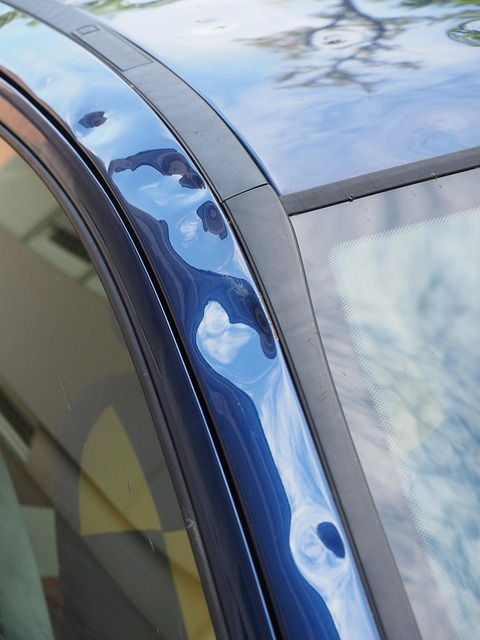
Filing an insurance claim for fire damage can be a challenging process, but taking prompt action ensures you receive fair compensation for your losses. Understanding your homeowner’s insurance coverage is crucial before initiating the claims process. Policies vary, so carefully review yours to identify specific clauses related to fire protection and house clearance after fire damage. Common coverages include replacement cost for damaged or destroyed belongings, as well as additional living expenses during repairs.
When filing a claim, document every detail meticulously. Take photos of the affected areas and keep records of all costs associated with temporary housing, repairs, and even the safe disposal of soot and ash. Your insurance provider will require these documents to process your claim accurately. For instance, insuring collectibles and valuables after a fire requires separate coverage; ensure these items are accounted for in your policy. Remember that the emotional impact of fire damage on residents is profound, so prioritize mental health alongside physical repairs throughout the claims process.
Follow these steps to streamline the filing process: contact your insurance company immediately, gather all necessary documentation, and describe the damage accurately. Be prepared for inspections and provide access to affected areas as per the terms of your policy. While navigating this challenging time, seek professional assistance with house clearance after fire damage if needed. Visit us at Safe Disposal of Soot and Ash for expert guidance tailored to your specific circumstances.
Communicating with Your Insurance Provider Effectively

Effective communication with your insurance provider is a crucial aspect of successfully filing an insurance claim for fire damage. This process requires clear documentation and a systematic approach to ensure a swift settlement. When navigating the aftermath of fire damage, understanding how to communicate your needs and expectations is essential, especially when it comes to house clearance after fire damage.
Here’s a step-by-step guide to help you navigate this critical phase: Begin by thoroughly documenting the fire damage. Take photos of charred structures, melted surfaces, and any other visible evidence. Keep detailed records of damaged belongings and personal possessions. This documentation will serve as concrete proof when submitting your claim. When communicating with your provider, be specific about the extent of the damage. Mention the types of losses, such as structural repairs, replacement of household goods, or even the cost of temporary housing if needed.
Provide a comprehensive list of all affected areas within your property, including rooms, walls, and any valuable items that require special attention. Remember, understanding fire-resistant building materials can be beneficial during this process. Certain structures are designed with enhanced safety features, which could impact the repair process and settlement amounts. For instance, if your home includes fireproof insulation or reinforced doors, these details should be noted to support your claim accurately.
As you communicate with your insurance provider, keep detailed records of all conversations, emails, and documentation. This organized approach ensures transparency and facilitates a smoother claims journey. For instance, consider the average settlement time for fire damage claims, which varies based on several factors but can provide an estimate of what to expect. If house clearance after fire damage is required, engage professional services that specialize in efficient debris removal, such as Tips for Efficient Fire Debris Removal. By following these steps and maintaining open lines of communication, you’ll be better equipped to navigate the claims process effectively.
House Clearance: Tips for Safe and Efficient Debris Removal
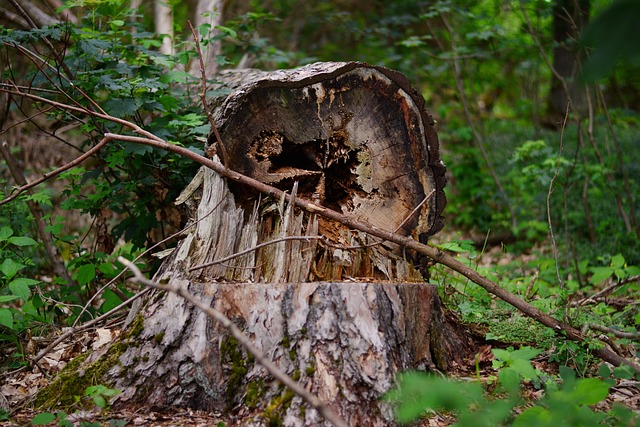
After a fire damages your home, house clearance becomes a critical step in the restoration process. This task requires careful navigation to ensure safety, efficiency, and minimal disruption to your life. The first few days following a fire are emotionally charged, making it essential to prioritize tasks systematically. One of the most crucial considerations is how to handle the removal of debris, or house clearance after fire damage.
Safety should be paramount during this period. Never attempt to enter a structure that has been severely damaged by fire without proper training or equipment. Unstable structures can pose significant risks, including structural collapse and exposure to hazardous materials like asbestos or lead paint. It’s crucial to involve professionals in the initial assessment and cleanup to mitigate these dangers. Once it’s safe to enter, start by identifying areas that require special attention, such as kitchens and bathrooms. Restoring your bathroom after a fire involves more than just cleaning; it entails meticulous inspection for water damage, smoke residue, and potential mold growth.
During house clearance, sorting items into keep, donate, or dispose categories is essential. Personal belongings hold sentimental value but may also need professional restoration. Many items can be restored by specialists who employ advanced techniques like deodorization, sanitization, and cleaning to remove fire and smoke damage. For unoccupied properties, implementing robust fire safety measures is vital. This includes ensuring proper ventilation, using fire-resistant materials in rebuilding efforts, and installing modern smoke detectors with lithium ion batteries for long-lasting protection.
After the initial clearance, consider engaging professionals for specialized restoration work, especially in hard-to-reach areas or those that require specific expertise like restoring your bathroom after a fire. Visit us at Safe Disposal of Soot and Ash to learn more about best practices for dealing with hazardous debris. The process can be daunting, but careful planning, professional assistance, and adherence to safety protocols will help ensure your home returns to its pre-fire condition efficiently while prioritizing your well-being.
By following a structured approach outlined in this article, you can effectively navigate the process of filing an insurance claim for fire damage. Understanding your policy, gathering comprehensive evidence, and efficiently clearing your house post-fire are key to ensuring a smooth claims process. Mastering House Clearance After Fire Damage not only aids in the recovery process but also guarantees you receive the prompt compensation you’re entitled to from your insurance provider. This guide equips you with essential knowledge and practical tips to handle such challenging situations competently.