House Clearance After Fire Damage involves a multi-step process. Experts assess damage, identify salvageable items, ensure safety, and catalog belongings. Restoration includes specialized techniques for personal items and fire safety education. Beyond structural repairs, ecosystem restoration is key: remediate smoke odors, adhere to building codes, reintroduce native species, create firebreaks, consult ecological experts. Also crucial are emotional support, adherence to safety protocols, regular inspections, eco-friendly debris disposal, vegetation restoration, and empowering residents with fire prevention knowledge.
The environment we inhabit is intricately linked to the restoration and recovery processes following disasters. Among these, fires pose significant challenges due to their destructive nature, leaving behind not just physical structures but also ecological footprints. As such, understanding the environmental impact of fire restoration is paramount for mitigating ecological damage and ensuring sustainable practices, especially in areas affected by House Clearance After Fire Damage. This article delves into the complexities of this issue, offering insights into the current state of knowledge and proposing strategies to enhance environmental stewardship during fire restoration efforts.
- Assessing Fire Damage: Initial Steps in House Clearance
- Restoring Ecosystems: Techniques Beyond House Clearance After Fire Damage
- Long-Term Impact: Mitigating Environmental Consequences Post-Fire Restoration
Assessing Fire Damage: Initial Steps in House Clearance
Assessing fire damage is a critical initial step in house clearance after a blaze. This process involves meticulously evaluating the extent of the destruction, identifying salvageable items, and ensuring safety for both occupants and firefighters. It’s a delicate task that requires expertise to determine what can be restored and what needs to be discarded. During this phase, professionals assess structural integrity, identify hazardous materials, and catalog personal belongings for insurance purposes. For example, detecting asbestos or lead paint requires specialized knowledge to handle safely, preventing further health risks.
House clearance after fire damage involves more than just removing debris. It’s about insuring collectibles and valuables, restoring personal belonging, and mitigating emotional trauma. Professionals employ meticulous inventory lists and high-resolution photography to document items, which can be crucial for insurance claims and future restoration efforts. Restoring personal belongings requires specialized techniques tailored to different materials—from textiles and furniture to electronics and art. For instance, smoke damage can render fabrics brittle, necessitating expert cleaning and restoration methods.
Fire safety education is paramount, especially for children aged 1-3. Teaching them about fire prevention, evacuation routes, and basic safety measures can significantly reduce risks in future emergencies. Parents and caregivers should install and test smoke alarms regularly, creating a family escape plan that includes practice drills. Find us at Mitigating Fire Damage Impact to learn more about these critical steps, ensuring your home and belongings are protected during and after a fire. This proactive approach can help families rebuild and recover faster with minimal loss.
Restoring Ecosystems: Techniques Beyond House Clearance After Fire Damage
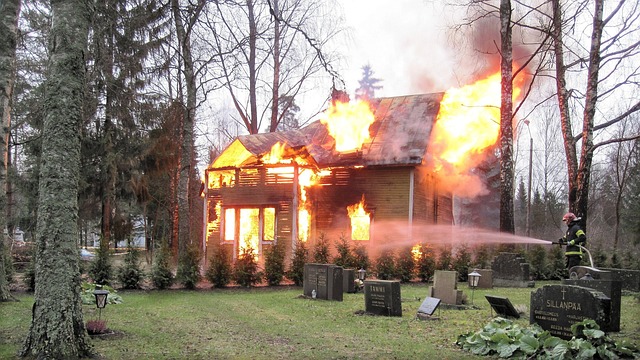
Restoring ecosystems after fire damage goes beyond the initial house clearance process. While removing charred debris is a critical first step, successful restoration involves complex techniques that address both the physical structure and the delicate ecological balance disrupted by the blaze. Understanding building codes and fire damage health concerns are essential components of this process.
Smoke odor, often persistent long after the flames have been extinguished, can penetrate deep into structures, affecting air quality and potentially causing health issues. Professional remediation methods, including specialized air filtration and odour-neutralizing treatments, are crucial in mitigating these problems. Compliance with local building codes is paramount to ensure structural integrity and safety during restoration. These codes often dictate materials, construction methods, and inspections required for rebuilding after fire damage.
Beyond physical repairs, ecosystem restoration focuses on reintroducing native flora and fauna, enhancing soil quality, and reconnecting water bodies, where applicable. For instance, planting resilient, locally-adapted species can help stabilize erosion and support biodiversity recovery. In areas prone to wildfire, these measures can play a vital role in mitigating future damage by creating firebreaks and reducing fuel loads. Consulting with ecological experts is essential for designing restoration plans that are both effective and sensitive to the unique needs of each ecosystem. Give us a call at House Restoration After Fire for expert guidance on navigating this complex process and ensuring your property recovers fully from fire damage, both structurally and environmentally.
Long-Term Impact: Mitigating Environmental Consequences Post-Fire Restoration

The environmental impact of fire restoration extends far beyond immediate damage repair. While House Clearance After Fire Damage is a crucial initial step, mitigating long-term consequences demands a multifaceted approach. The emotional toll of fire damage on residents cannot be understated—it’s essential to address both physical and psychological needs during recovery. Safety protocols for fire-damaged homes must be rigorously followed to prevent further harm. Regular Fire Safety Inspections play a vital role in identifying vulnerabilities and ensuring compliance with safety standards, crucial steps before any restoration begins.
Beyond structural repairs, the ecological footprint of fire restoration requires careful consideration. For instance, the removal of charred debris must be balanced with preserving potential habitats for local flora and fauna. A professional approach prioritizes eco-friendly disposal methods, such as composting or recycling materials where possible. Additionally, restoring vegetation around the property can aid in soil stabilization and reduce future fire risks.
The emotional journey of recovery is equally important. Visiting us at Preventing Future Fire Damage allows residents to gain knowledge and access resources aimed at mitigating potential hazards. Understanding safety measures and early detection systems empowers individuals to protect their homes and communities, fostering resilience against future fires. This holistic approach ensures not only the physical restoration of properties but also the emotional healing of affected residents and the long-term sustainability of fire-prone areas.
The comprehensive exploration of fire restoration’s environmental implications highlights several key insights. Assessing fire damage and subsequent house clearance after fire damage are critical initial steps, ensuring a thorough understanding of the extent of destruction. Restoring ecosystems involves advanced techniques beyond house clearance to revive biodiversity and ecosystem balance. Long-term mitigation strategies play a pivotal role in minimizing the environmental consequences of fire restoration, emphasizing sustainable practices. By integrating these insights, professionals can navigate the complex landscape of post-fire recovery, fostering resilient environments while respecting the delicate tapestry of nature. This authoritative article equips readers with practical knowledge, enabling them to contribute to environmentally responsible fire restoration efforts.