House Clearance After Fire Damage is a critical process that involves a systematic approach to ensure safety, structural integrity, and restoration. Key steps include: prioritizing safety with protective gear, documenting and salvaging usable items, removing hazardous debris, managing toxic chemicals, understanding insurance obligations, acting promptly, and engaging fire restoration specialists for guidance. Responsible disposal, integrated fire-resistant materials, and strategic cleanup practices prevent future risks.
Restoring your living room after a fire can seem like an overwhelming task, but with the right approach, it’s achievable. Fire damage often leaves behind not just physical scars on your home but also emotional ones. House clearance after fire damage is more than just removing debris; it’s about reclaiming your space and rejuvenating your sanctuary. In this authoritative guide, we’ll walk you through every step of the process, from assessing the damage to rebuilding your living room into a vibrant and safe haven once again. Prepare to transform your disaster zone into a beautiful, functional room that reflects your style and welcomes you home.
- Assess the Scope of Fire Damage and House Clearance After Fire
- Safe Removal: Steps in House Clearance After Fire Damage
- Restoring Your Space: Strategies for Living Room Reconstruction
- Preventing Future Damage: Fire Safety Measures for Your Home
Assess the Scope of Fire Damage and House Clearance After Fire
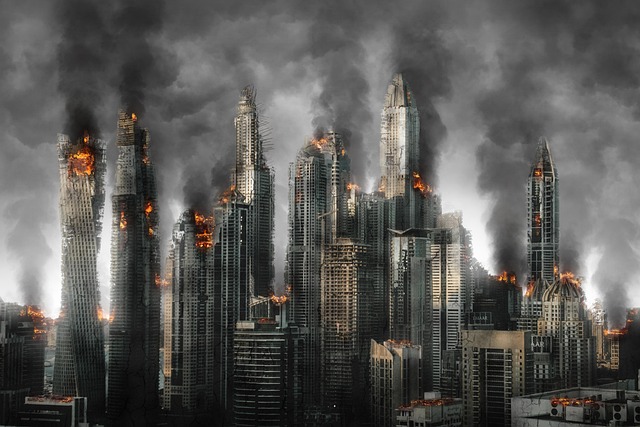
Assessing the extent of fire damage and planning for house clearance after a fire incident is a crucial step in the restoration process. Understanding the scope of destruction involves meticulously examining every aspect of your living room and property to determine the level of repair required. This includes assessing structural integrity, the extent of smoke and water damage, and identifying any hazardous materials or debris. Professional fire damage restoration experts recommend conducting a thorough visual inspection, documenting the damage with photos, and evaluating the overall condition of the space.
Once the damage is assessed, the next critical phase is house clearance after fire damage. This involves safely removing all destroyed or contaminated items, from furniture and decor to personal belongings. It’s essential to discard or decontaminate smoke-damaged possessions to prevent further health risks. Landlords, in particular, should be aware of their legal rights and responsibilities during this process, ensuring fair treatment for tenants while also adhering to local fire safety measures for unoccupied properties. A comprehensive clearance allows for proper restoration work to begin, enabling professionals to focus on rebuilding and reconstructing the living room to its pre-fire state.
Beyond restoration, homeowners and landlords should prioritize fire safety as a long-term priority. Protecting your home from future fire hazards involves regular maintenance, such as updating electrical systems, installing smoke alarms, and developing an escape plan. Give us a call at Removing Odors from Fire Site if you require expert assistance in decontaminating and restoring your living space. By learning from the past, you can mitigate risks and ensure a safer environment for your family, tenants, or property investors.
Safe Removal: Steps in House Clearance After Fire Damage
After a fire, the process of restoring your living room begins with safe house clearance after fire damage. This critical step involves meticulous removal and disposal of smoke-damaged items to create a secure environment for reconstruction. The first order of business is to assess what can be salvaged. Start by wearing protective gear, including gloves, masks, and goggles, to prevent further exposure to hazardous materials like asbestos or lead. Identify items that may have suffered only superficial damage from heat and smoke but remain usable, such as furniture with minimal scorching or walls that can be cleaned.
Document the entire process meticulously. Take photos of damaged areas and create an inventory of items for insurance purposes. Next, focus on large-scale removal. Furniture, electronics, and other heavy items should be safely disassembled and marked for either restoration or disposal. It’s crucial to understand fire extinguisher types and uses during this phase; using the right extinguisher can mitigate further damage. For example, water extinguishers are suitable for most common fires involving solid materials like wood and fabric, but they should not be used on electrical fires. In multi-family housing complexes, regular fire safety drills and well-maintained extinguishers significantly reduce risks.
House clearance after fire damage also involves handling hazardous waste responsibly. Smoke detectors, batteries, and certain types of furniture may contain toxic chemicals that require special disposal methods. Renters facing fire damage for the first or even second time can benefit from understanding their rights and insurance obligations. Keep records of all communications with insurers and maintenance personnel. If damage is extensive, consider seeking expert advice; professionals like Home Restoration Experts Near Me can provide tailored solutions for your specific situation. Remember that prompt action not only secures your safety but also ensures the structural integrity of your home as you move forward with repairs.
Restoring Your Space: Strategies for Living Room Reconstruction

After a fire damages your living room, restoration feels like an insurmountable task. However, with careful planning and professional guidance, you can reclaim your space and move forward. House clearance after fire damage is a critical first step. Remove charred furniture, debris, and any unsafe structures to create a clean slate. This process not only facilitates the rebuilding process but also promotes mental well-being. Tips for maintaining mental health post-fire include involving loved ones in the cleanup, setting realistic goals, and prioritizing tasks to foster a sense of progress and accomplishment.
Once the initial clearance is complete, it’s time to assess your options. Understanding your homeowner’s insurance coverage is crucial in this phase. Policies typically cover structural damage repairs but may require separate coverage for valuable collectibles and personal belongings. Insuring these items after a fire ensures peace of mind and facilitates their replacement if needed. For example, antique furniture or family heirlooms might demand specialized care and appraisal to accurately assess their value under your policy.
Before rebuilding, consider engaging professionals who specialize in fire damage restoration. These experts can guide you through every step, from assessing structural integrity to safely removing hazardous materials. They offer valuable insights on modern construction methods and materials that enhance resilience against future fires. Moreover, they can provide practical advice on designing a living room that caters to your needs and preferences while incorporating safety features.
Visit us at How Much Does Fire Cleanup Cost? for a comprehensive understanding of the financial aspects involved in fire damage restoration. Remember, restoring your living room post-fire is not just about rebuilding; it’s about reclaiming your sanctuary and cultivating a new beginning.
Preventing Future Damage: Fire Safety Measures for Your Home
After a fire, restoring your living room and your home requires a strategic approach to prevent future damage. Fire safety measures extend beyond immediate extinguishment; they encompass a thorough understanding of risk factors and proactive steps to mitigate them. One crucial aspect is house clearance after fire damage, ensuring a safe and controlled environment for restoration. This involves safely discarding burnt possessions, a process best handled by professionals who can responsibly manage hazardous materials and debris removal.
Restoring outdoor spaces after fire damage requires attention to both the immediate surroundings and underlying structures. Fire-resistant building materials play a vital role in mitigating future risks. Understanding the science behind these materials empowers homeowners to make informed decisions when rebuilding or retrofitting. For instance, certain types of concrete, brick, and steel are known for their fire resistance, offering crucial protection for both interior and exterior areas. By integrating these materials, you create a more fire-secure home environment.
Efficient post-fire debris removal is another key to restoring your home safely. This involves not only clearing physical debris but also sanitizing and decontaminating affected areas. A professional house clearance service can provide this critical support, ensuring a thorough and safe cleanup. They employ specialized equipment and protocols to handle charred remains and contaminated materials, preventing the spread of fire-related hazards. Tips for efficient debris removal include wetting down burnt areas to suppress dust and ashes, wearing protective gear, and employing specialized tools for safe disposal.
In light of these considerations, it’s essential to engage in house clearance after fire damage with a strategic and informed approach. Visit us at Safely Discarding Burnt Possessions for expert guidance and professional services tailored to your needs. By combining fire-resistant building materials with meticulous post-fire cleaning, you can significantly reduce the risk of future damage and ensure a safer, more secure living environment.
Restoring your living room after a fire requires a systematic approach. Key insights include assessing the full extent of damage and undertaking thorough house clearance after fire damage as the first steps. Safe removal processes are vital during this phase. For reconstruction, strategic planning and consideration of materials are essential. Additionally, implementing robust fire safety measures can prevent future damage. By following these comprehensive guidelines, you ensure a safe, restored living room while enhancing your home’s overall resilience against potential fires.