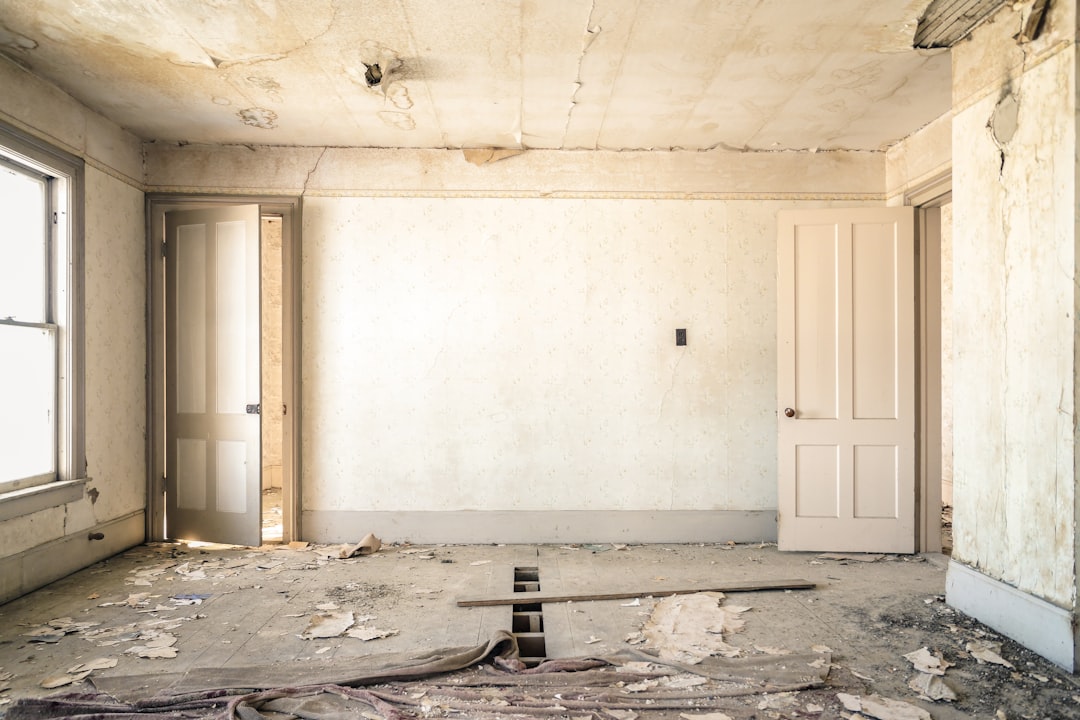
Fire damage can leave structural elements compromised, posing significant safety risks. Recognizing when to replace these elements is crucial for House Clearance After Fire Damage and ensuring the structural integrity of your property. This article guides you through the process, offering expert insights into identifying fire-damaged components and determining their suitability for repair or replacement. We’ll explore factors like material degradation, structural stability, and local building codes, providing a comprehensive framework to make informed decisions following a fire.
- Assessing Fire Damage: What to Look For
- House Clearance After Fire Damage: Safety First
- Replacing Structural Elements: Restoration Guide
Assessing Fire Damage: What to Look For
Assessing fire damage is a crucial step in determining when to replace structural elements after a fire. As a homeowner, it’s essential to understand the scope of the damage beyond what meets the eye. Beyond visible charring and smoke stains, look for signs of structural compromise, such as warped or distorted framing, weakened floors or ceilings, and damaged load-bearing walls. These issues may not be immediately apparent, requiring careful inspection by a qualified professional.
Hiring the right fire damage restoration company is paramount. These experts have the training and equipment to thoroughly assess the damage, ensuring nothing is overlooked. They can also provide guidance on which structural elements need replacing, often saving homeowners time and money. A comprehensive guide, like Fire Damage A Homeowner’s Comprehensive Guide, can offer valuable insights into this process, empowering you to make informed decisions.
When in doubt, it’s best to replace fire-damaged structural elements, especially if they form part of the building’s skeleton. Leaving weakened structures intact poses significant safety risks, potentially leading to further damage or even collapse. Post-fire, tips for renting a temporary residence while repairs are ongoing can help make this transition smoother. Remember that house clearance after fire damage is a critical step before reconstruction begins, and seeking professional assistance in this regard can greatly facilitate the process.
Effective Smoke Odor Elimination, a service many reputable fire restoration companies offer, can also be a valuable asset. While it may seem like a simple aesthetic issue, lingering smoke odors can indicate deeper damage to porous materials like drywall and furniture. Visiting us at Effective Smoke Odor Elimination can provide access to specialized solutions tailored to eliminate these odors completely, ensuring a healthier and more comfortable living environment post-fire.
House Clearance After Fire Damage: Safety First
After a fire, house clearance becomes a critical step in the recovery process. Safety must always be the top priority when addressing fire-damaged structural elements. The initial assessment of a fire’s extent can be challenging, especially for severe cases. Here, the role of technology in fire damage assessment becomes invaluable. Advanced thermal imaging and moisture detection tools can help identify hidden hotspots and water damage, ensuring a thorough evaluation. This detailed analysis is crucial before proceeding with house clearance to prevent further complications.
Engaging a reputable fire damage restoration company is essential for effective house clearance after fire damage. These professionals are trained to follow safety protocols, employing personal protective equipment (PPE) and specialized techniques to handle hazardous materials. They understand the complexities of fire damage restoration, from structural repairs to decontaminating affected areas. For instance, a study by the Insurance Institute for Business & Home Safety (IBHS) revealed that professional restoration can significantly reduce the risk of secondary damage and health issues associated with fire residue.
Before beginning the clearance process, it’s vital to establish a thorough safety plan. This involves assessing structural integrity, identifying potential hazards, and implementing necessary precautions. For example, if the fire involved hazardous materials like asbestos or lead, special containment and disposal methods must be employed to protect residents and restoration workers. Hiring a licensed and insured restoration company with experience in your specific type of fire damage will ensure compliance with safety standards. Moreover, they can guide you through the insurance claims process, offering peace of mind during an otherwise stressful situation.
When ready, house clearance can begin, focusing on removing charred debris, restoring usable items, and replacing non-salvageable structural elements. It is a complex task that requires expertise and attention to detail. As a professional in this field, we at Restoring After Severe Burning are committed to providing comprehensive solutions, ensuring your home is cleared, restored, and safe for occupation.
Replacing Structural Elements: Restoration Guide
When it comes to house clearance after fire damage, restoring structural elements is a critical step in the recovery process. This involves careful assessment and replacement of damaged or destroyed components to ensure the safety and stability of your home. The task can be complex, especially when navigating insurance denials post-fire damage, but with the right guidance, it’s manageable.
First, identify any structural elements that have been compromised. Fire safety measures for unoccupied properties are crucial, so even if your house has been vacant during repairs, ensure that all potential hazards are addressed. This might include replacing charred wooden beams, rebuilding damaged walls, or reinforcing the roof structure. Each component plays a vital role in holding up the overall structure. For instance, a weakened ceiling can lead to further damage by causing water leaks or structural collapse.
Restoring specific areas like your bathroom after a fire requires special attention. These spaces often have unique challenges due to high heat and moisture levels. Start by assessing water damage and replacing any affected drywall or insulation. Fire-resistant materials should be used for new installations to prevent future issues. Consider the longevity of your restoration efforts when making material choices, ensuring they meet industry standards for fire safety.
If you’re unsure about any aspect of the process, it’s wise to consult with professionals who specialize in fire damage cleanup and restoration. They can provide expert advice tailored to your specific situation. For instance, at Fire Damage Debris Cleanup, we offer comprehensive services designed to help homeowners navigate house clearance after fire damage efficiently. Give us a call to learn more about our expertise in restoring homes and ensuring fire safety measures for unoccupied properties.
When faced with fire damage, a thorough understanding of House Clearance After Fire Damage and subsequent restoration processes is paramount. This article has guided readers through essential steps, from assessing fire damage and identifying structural elements at risk, to the crucial task of replacing damaged components. By prioritizing safety during House Clearance, professionals can navigate the complexities of fire restoration, ensuring structural integrity and a habitable space. The key takeaways emphasize the importance of meticulous inspection, using industry-standard replacement parts, and following best practices to prevent further damage. With these insights, property owners and restoration specialists are equipped to make informed decisions, ultimately leading to successful recovery and a safe living environment post-fire.
House Clearance After Fire Damage: Key Steps and Insights
1. Assess Structural Damage: Beyond visible signs, look for warped framing, weakened floors/ceilings, and damaged load-bearing walls, requiring professional inspection.
2. Hire a Reputable Restoration Company: Experts assess damage thoroughly, provide guidance on replacements, save time/money, offer smoke odor elimination services, and ensure safety.
3. Prioritize Safety and Clearance: House clearance is critical post-fire. Establish a safety plan, addressing structural integrity and potential hazards like asbestos or lead.
4. Restore Structural Elements: Replace non-salvageable components to ensure stability. Consider fire-resistant materials in bathrooms and other high-moisture areas.
5. Consult Professionals: Engage specialists for expert advice and comprehensive services tailored to your needs, ensuring fire safety for unoccupied properties.