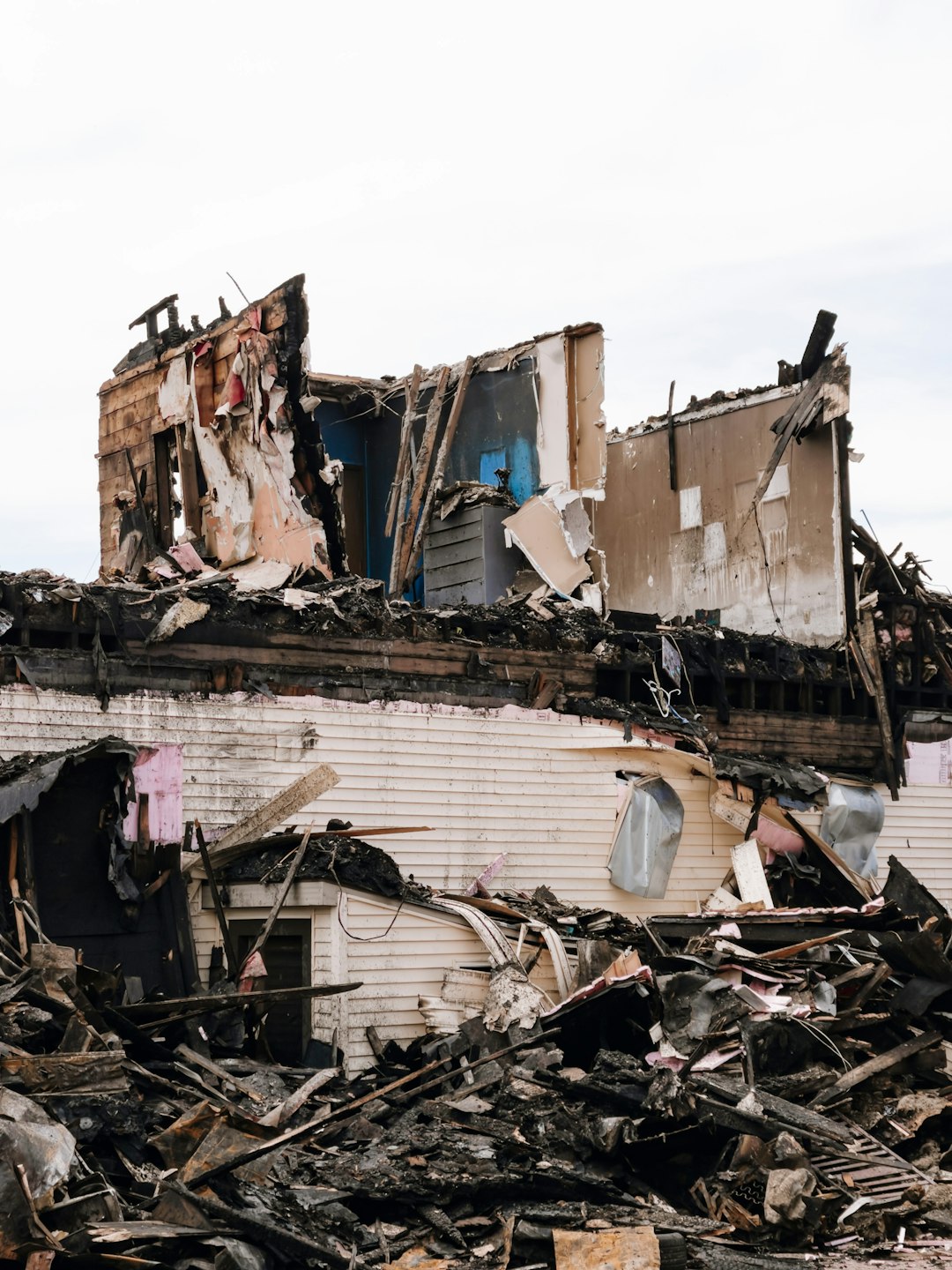
Fire damage can leave homes in disarray, with extensive repairs and a daunting clear-out process ahead. Understanding the cost of House Clearance After Fire Damage is crucial for property owners navigating this challenging phase. This article provides a practical guide to the financial implications, offering insights into the key factors influencing the restoration process. From initial assessments to the safe disposal of debris, we demystify the costs associated with fire damage, empowering you to make informed decisions. By the end, you'll have a clearer picture of what to expect and the steps to ensure efficient and cost-effective recovery after a fire.
- Assessing Fire Damage and Costs
- Essential Steps in Post-Fire Cleanup
- Effective House Clearance After Fire Damage
- Restoring Safety and Comfort After Fire
- Preventing Future Fire Losses and Costs
Assessing Fire Damage and Costs

Assessing fire damage and determining the cost of restoration is a crucial step in the aftermath of a fire. This process involves a meticulous evaluation of the extent of the damage, which can range from minor charring to complete destruction of property. The complexity and scale of the damage will significantly influence the restoration costs, making it a critical factor in the house clearance after fire damage.
The importance of a thorough assessment cannot be overstated. It is not merely about the visible damage but also involves identifying potential hazards, such as structural instability or the presence of toxic substances like asbestos or lead. A local fire department might need to inspect the property to ensure it's safe to enter and to assess any structural damage that could impact rebuilding efforts. The National Fire Protection Association (NFPA) offers guidelines for fire damage assessment, emphasizing the need for trained professionals to conduct these evaluations. This step is vital to ensure the safety of restoration workers and residents, as well as to provide an accurate estimate for the restoration process.
The role of local governments in fire prevention extends to providing resources and guidance for restoration. Many communities offer assistance programs, grants, and subsidies for fire-damaged residents, with some cities even providing temporary housing during the restoration process. The Local Insurance Brokers' Association can be a valuable resource for understanding these programs and navigating insurance claims. The emotional impact of fire damage on residents is significant, and offering support services during this challenging time is essential. This includes counseling and community support programs, as recovering from the trauma of a fire can be a lengthy process.
When assessing fire damage, restoration experts consider various factors, including the type and intensity of the fire, the time it took to extinguish it, and the subsequent water damage. The cost of materials and labor varies widely depending on these factors. A small kitchen fire might require replacing appliances and repainting, while a large-scale fire that involves structural damage and mold remediation could cost tens of thousands of dollars. The Insurance Regulatory Authority and National Association of Insurance Commissioners offer guidelines for insurance claims, ensuring that residents receive fair compensation for their losses.
Essential Steps in Post-Fire Cleanup

The immediate aftermath of a fire can be overwhelming, but understanding the essential steps in house clearance after fire damage is crucial for a safe and efficient recovery. While the primary focus is on ensuring everyone's safety and minimizing losses, proper cleanup and restoration procedures are essential to prevent further damage, mitigate health risks, and facilitate a swift return to normalcy.
The first step in any fire-damaged home is a thorough assessment. This involves not only evaluating the extent of structural damage but also identifying potential hazards. Smoke and fire can leave behind hazardous materials, such as soot and ash, which require safe disposal. The Occupational Safety and Health Administration (OSHA) recommends that only trained professionals handle these materials to prevent respiratory issues and other health complications. Once the site is deemed safe, a detailed inventory of the damage should be conducted, documenting everything from structural integrity to personal belongings affected. This process is not only crucial for insurance claims but also helps in planning the subsequent restoration steps.
After ensuring safety, the next phase is house clearance after fire damage. This involves removing debris, salvaging usable items, and discarding those that have been severely damaged. It's important to prioritize areas based on their criticality-for example, the kitchen and bathroom may require immediate attention due to potential health risks from contaminated water and food sources. During this process, it's also vital to remember the environmental impact. Many items may be salvaged and restored, reducing the need for new replacements. Furniture and appliances can often be cleaned and restored, saving both time and money. However, if items are too severely damaged or contaminated, safe disposal methods must be employed to prevent the spread of hazardous materials.
For those needing temporary accommodation during the cleanup process, tips for renting a temporary residence post-fire are invaluable. It's advisable to explore local options, such as short-term rental properties or hotels, to provide a safe and comfortable space while the home is restored. Collaborating with insurance providers and restoration experts can facilitate this process, ensuring a smoother transition during what is already a challenging time. Remember, understanding your insurance coverage and the key features of your smoke alarm system, as outlined by the National Fire Protection Association (NFPA), can significantly impact your recovery journey.
Given the complexity of post-fire cleanup, it's crucial to seek professional assistance. Contacting a cost-effective fire clear out service can provide the expertise and resources needed to navigate this difficult time effectively. These professionals are equipped to handle the entire process, from initial assessment to final restoration, ensuring a safe and efficient house clearance after fire damage.
Effective House Clearance After Fire Damage
Fire damage can leave homes in disarray, but the process of house clearance after fire damage is crucial for a safe and efficient recovery. Effective house clearance involves more than just removing burnt items; it entails meticulous assessment, ethical handling, and navigating complex insurance claims. A local fire department might collaborate with restoration experts to ensure a thorough understanding of the damage and facilitate a swift cleanup.
The first step in house clearance after fire damage is a comprehensive assessment. This involves a detailed inspection of the property to identify the extent of the fire's impact on both structural elements and personal belongings. Restoration experts employ specialized equipment to test air quality, detect hazardous materials, and assess structural integrity. Understanding the full scope of the damage is essential to determine the best course of action, whether it involves a complete renovation or targeted replacement of items.
Navigating insurance claims is another critical aspect of house clearance after fire damage. Property owners should be prepared to provide detailed documentation of the damage, including photographs, receipts, and appraisals. It's not uncommon for insurance companies to deny or undervalue claims, so it's crucial to understand one's policy and rights. Seeking assistance from insurance claim assistants or consulting with a local insurance broker's association can help ensure a fair settlement. Many policies cover the cost of fire safety education for children, which can be invaluable in preventing future incidents.
Preparation strategies for evacuation due to fire play a significant role in minimizing damage. Regularly updating emergency contact lists, creating fire safety plans, and conducting drills with the family can significantly improve response times. Proper preparation can help in the house clearance process by ensuring that valuable items are secured or evacuated promptly. After the initial assessment and claim settlement, professional house contents appraisal services can provide a detailed report for insurance purposes and help maximize the payout. For those unable to handle the process alone, visiting us at Cleaning Burned Belongings can offer expert assistance in navigating the challenges of house clearance after fire damage.
Restoring Safety and Comfort After Fire

Restoring safety and comfort after a fire is a critical step in the house clearance after fire damage process. The initial assessment goes beyond structural damage; it involves a thorough inspection to identify hazardous materials, assess air quality, and determine the extent of any health risks. Smoke and fire damage can leave behind toxic residues, requiring specialized cleaning and decontamination. The Role of Local Governments in Fire Prevention plays a vital role here, as they often provide guidelines and resources for residents on safe cleanup and restoration practices.
Once the immediate hazards are addressed, professional restoration services can begin the process of returning your home to a livable condition. This involves a multi-step approach, from removing charred furniture and debris to rebuilding structural elements. The complexity of the work can vary significantly, impacting the cost of house clearance after fire damage. For renters facing fire damage, it's essential to document the loss, communicate with their landlord, and consider temporary housing options. Tips for Renters After Fire Damage Occurs include taking photos of the damage, keeping records of all communications, and understanding their rights and responsibilities according to local tenancy laws.
Fire damage can also raise concerns about the safety and quality of the remaining structure. The potential for mold growth, for instance, is a significant health concern, especially in damp environments. Fire Damage and Health Concerns can include respiratory issues, allergies, and even long-term neurological impacts, making it crucial to address these issues promptly. Homeowners should consult with professionals who can assess and mitigate these risks, ensuring a safe living environment post-fire. To facilitate this process, consider finding us at Fire-Damaged House Rehabilitation for expert guidance and support throughout the restoration journey.
Preventing Future Fire Losses and Costs
Preventing Future Fire Losses and Costs
After a fire, the immediate focus often shifts to the damage assessment and restoration process, but a comprehensive approach to fire damage restoration involves much more than just fixing what's visible. To minimize the true cost of fire damage, including the environmental impact, it's crucial to consider long-term prevention strategies. This includes implementing robust fire safety measures for both occupied and unoccupied properties.
Eco-friendly approaches to fire restoration have gained prominence with a growing emphasis on eco-conscious fire restoration practices. These methods prioritize using environmentally friendly materials and techniques to reduce the ecological footprint of the restoration process. Some restoration companies now use biodegradable cleaning agents and recycled building materials to lower the carbon footprint of a fire-damaged home. The adoption of these eco-friendly tactics can extend to waste management, ensuring that debris from the fire and restoration process is recycled or reused wherever possible, thereby reducing landfill waste.
In the case of unoccupied properties, implementing fire safety measures is equally vital. Regular inspections and maintenance, such as ensuring smoke detectors are in working order and fire extinguishers are readily accessible, can significantly lower the risk of future fires. Using smart home technology to monitor and control heating, ventilation, and air conditioning (HVAC) systems can help prevent accidental fires caused by faulty equipment. 24/7 emergency fire debris removal services, like those offered by local experts, play a crucial role in swiftly addressing fires, minimizing damage, and preparing for efficient restoration and future prevention.
By combining these strategies-from eco-friendly restoration practices to proactive fire safety measures-property owners and managers can effectively manage the costs associated with fire damage. These measures not only help in the immediate aftermath of a fire but also contribute to a more sustainable and safe environment for the long term.
Frequently Asked Questions About The Cost of Fire Damage Restoration
What is the average cost of fire damage restoration?
Fire damage restoration costs vary greatly depending on the severity of the fire, the size of the affected property, and the extent of the damage. On average, expect to pay between $10,000 and $40,000 for residential restoration. Commercial properties can be significantly higher, ranging from $50,000 to $200,000 or more, depending on building size, contents, and complexity of the restoration.
How do I get an accurate estimate for fire damage restoration?
Obtain detailed, written estimates from at least three reputable restoration companies. Provide them with a detailed assessment of the damage, including photos and a list of damaged items. Ensure the estimate includes all necessary services, materials, labor, and any additional costs like decontamination or legal fees.
What is included in fire damage restoration?
Restoration typically includes structural repairs, decontamination, removal and cleaning of smoke and water damage, replacement of damaged personal property, and restoration of electrical and mechanical systems. Some services may be optional, like odor removal, mold remediation, or reconstruction.
How long does fire damage restoration typically take?
The duration depends on the extent of the damage. Minor fires in smaller homes can be restored in a few days. However, larger fires in larger buildings may take several weeks or even months, depending on construction type, availability of materials, and weather conditions.
Will my insurance cover the entire cost of fire damage restoration?
Insurance coverage varies. Review your policy carefully. Most policies cover the cost of repairing or replacing damaged property, but they may not cover additional living expenses during restoration. Be sure to document all damage and communicate with your insurance company for a thorough understanding of your coverage.
What should I do immediately after a fire?
First, ensure everyone's safety and call emergency services if needed. Then, stop any ongoing fires, turn off utilities (gas, electricity, water) if safe to do so, and don't enter the building until it's declared safe by authorities. Document damage with photos for insurance claims and contact a professional restoration company as soon as possible.
After fire damage, effective House Clearance After Fire Damage is crucial for restoring safety, comfort, and financial stability. Key insights include the importance of assessing damage thoroughly, following essential cleanup steps, and engaging professionals for safe, efficient restoration. Preventing future losses through education and proactive safety measures can significantly reduce the cost of fire damage restoration. By prioritizing these steps, homeowners can ensure their properties are restored to pre-fire condition, maintain peace of mind, and minimize tax implications associated with House Clearance After Fire Damage. This practical guidance, backed by industry standards and expert recommendations, equips homeowners with the knowledge to navigate the aftermath of fire damage effectively.
House clearance after fire damage involves a multi-step process:
1. Assess Damage & Safety: Determine structural integrity, identify hazards (asbestos, lead), and ensure safe entry. Consult local fire departments and NFPA guidelines.
2. Government Assistance & Insurance: Utilize community assistance programs, grants, and subsidies. Work with insurance brokers and regulatory bodies for claims.
3. Emotional Support: Offer counseling and community support to residents dealing with trauma.
4. Professional Restoration: Engage top-rated fire cleanup companies for detailed estimates and expert advice. Understand insurance commission guidelines.
5. Long-Term Prevention: Implement robust fire safety measures, eco-friendly restoration practices, and regular property maintenance to minimize future losses.