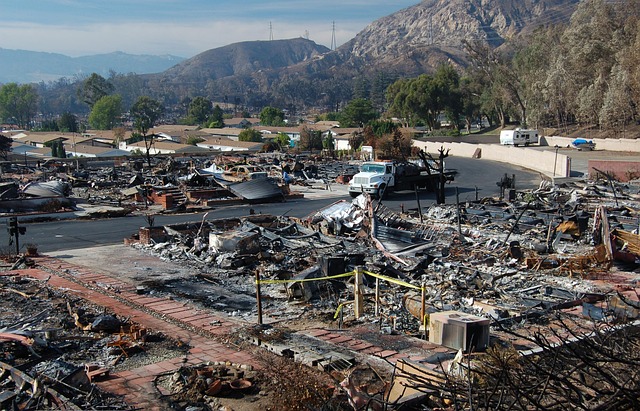
Fire damage assessment is crucial for eco-friendly house clearance after fire damage. Steps include thorough inspection, safety protocols, professional guidance on disposal, recycling, and using eco-certified products. Eco-friendly materials like recycled steel and natural fibers minimize environmental impact. Post-fire debris removal uses biodegradable solutions and recycled containers. Fire safety education, strategic planning, and expert advice ensure structural integrity and ecological harmony in restoration. Homeowners should document damage, prioritize repairs, and consult professionals for tailored sustainable solutions.
Fire restoration, particularly in the context of House Clearance After Fire Damage, is a critical aspect of environmental stewardship. With the increasing frequency and intensity of wildfires globally, eco-friendly approaches to restoration are not just desirable but essential. Traditional methods often leave behind hazardous remnants, impacting both the environment and the health of affected communities. This article delves into innovative, sustainable techniques aimed at minimizing ecological footprints during fire restoration. By exploring these methods, we offer valuable insights for professionals, ensuring both effective recovery and environmental preservation.
- Assessing Fire Damage: Prioritizing Safety and House Clearance After Fire
- Eco-Friendly Materials: Sustainable Solutions for Restoration
- Restoring Nature's Balance: Ecological Cleaning Techniques
- Rebuilding Green: Post-Fire Strategies for Long-Lasting Sustainability
Assessing Fire Damage: Prioritizing Safety and House Clearance After Fire
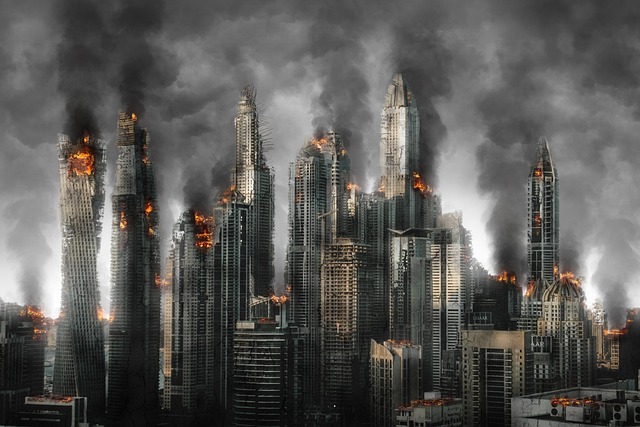
Assessing fire damage is a critical step in any eco-friendly approach to fire restoration, especially when prioritizing house clearance after fire damage. The initial phase involves a thorough inspection to determine the extent of damage and identify potential hazards. Safety protocols for fire-damaged homes should be the top priority; this includes securing the structure, ensuring structural integrity, and mitigating risks from remaining flammable materials or hazardous substances.
Professional restorers play a vital role in guiding homeowners through this process, offering expert advice on safe disposal of burned debris and contents. Eco-conscious fire restoration practices involve selecting environmentally friendly cleaning agents and implementing sustainable waste management strategies for house clearance after fire damage. This might include recycling or repurposing salvageable items, upcycling damaged but repairable furniture, and employing eco-certified cleaning products to reduce the environmental impact.
Understanding fire extinguisher types and uses is also essential during this phase. Different fires require specific extinguishers—water, dry chemical, or carbon dioxide for example—and knowing how to use them safely can prevent further damage and save lives. Once immediate safety concerns are addressed, homeowners can begin considering options for restoring their spaces. Seeking professional assistance from restorers who specialize in eco-friendly practices, like those offered at Restoring Fire-Affected Rooms, ensures that house clearance after fire damage is handled responsibly and efficiently, minimizing the environmental footprint of recovery efforts.
Eco-Friendly Materials: Sustainable Solutions for Restoration

Eco-friendly materials play a pivotal role in modern fire restoration practices, offering sustainable solutions to revive damaged properties while minimizing environmental impact. When faced with fire damage, homeowners often turn to traditional reconstruction methods, but an increasing trend leans towards eco-conscious alternatives. This shift is not just a response to growing environmental awareness but also a practical approach to house clearance after fire damage. By embracing eco-friendly materials, restoration experts can create healthier living spaces while preserving natural resources.
One of the most significant advantages of these materials is their ability to reduce carbon footprint throughout the renovation process. For instance, using recycled steel for structural repairs not only minimizes waste but also offers exceptional strength and durability, making it an ideal choice for post-fire restoration. Similarly, natural fibers like bamboo or hemp can be utilized for insulation and flooring, providing excellent thermal properties while promoting sustainability. In fact, according to a recent study, the use of eco-friendly materials in construction can reduce greenhouse gas emissions by up to 40% compared to conventional methods.
When it comes to efficient post-fire debris removal, incorporating eco-friendly practices streamlines the process. Biodegradable cleanup solutions and recycled containers can be employed to manage waste generated during house restoration after fire. This approach not only ensures a cleaner environment but also reduces the strain on local landfills. Additionally, Fire Damage A Homeowner’s Comprehensive Guide recommends engaging with professionals who prioritize these sustainable methods, ensuring that every step of the restoration process aligns with current environmental standards.
Fire safety education for children is another critical aspect where eco-friendly initiatives can make a difference. Teaching young minds about fire prevention and safety through interactive, nature-inspired programs can foster a deeper connection between kids and the environment. By combining these educational efforts with sustainable home restoration practices, we can create a holistic approach to community safety and environmental preservation. To learn more about house restoration after fire and explore these eco-friendly options, visit us at House Restoration After Fire.
Restoring Nature's Balance: Ecological Cleaning Techniques

Restoring a home after fire damage requires a delicate balance between rebuilding and preserving the environment. This is where ecological cleaning techniques become paramount in Fire Damage A Homeowner’s Comprehensive Guide. The goal isn’t just to repair physical structures but also to restore Nature’s balance, ensuring that the recovery process doesn’t introduce new environmental hazards.
One of the first steps in any house clearance after fire damage should be assessing the extent of contamination. Fires can leave behind not only ash and smoke but also hazardous materials from melted plastics, electronics, or even lead-based paint. Proper sampling and testing are crucial to understanding the full scope of decontamination required. For instance, data from studies on fire damage in residential buildings has shown that airborne particulate matter can contain toxic compounds that pose risks to human health if not addressed correctly.
Implementing eco-friendly cleaning techniques involves using non-toxic or biodegradable solutions for debris removal and surface sanitization. This approach not only minimizes the release of harmful chemicals into the environment but also helps in preserving the remaining natural materials in the home. For example, instead of harsh cleaners, homeowners can use baking soda, vinegar, and essential oils for many cleaning tasks. In cases where fire victims need financial assistance, understanding Fire-Resistant Building Materials can help in making informed decisions about rebuilding, potentially reducing future damage and associated costs.
Seeking expert advice from professionals like those at Fire Restoration Success Stories is vital in navigating the complex process of house clearance after fire damage. They can provide guidance on the most effective ecological cleaning techniques tailored to specific needs, ensuring that both the home and its surroundings are restored safely and sustainably. By adopting these comprehensive strategies, homeowners not only protect their health but also contribute to a more balanced and resilient environment post-fire.
Rebuilding Green: Post-Fire Strategies for Long-Lasting Sustainability
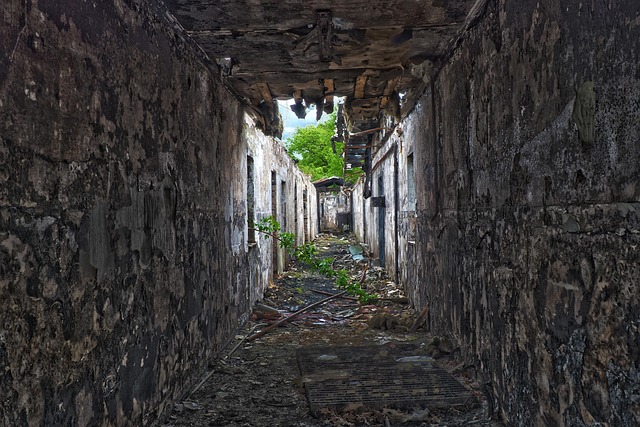
Fire restoration is a delicate process that requires meticulous planning and an eco-friendly approach to ensure long-lasting sustainability. When a fire strikes, the aftermath can be devastating, leaving behind not only physical damage but also a trail of emotions. Rebuilding from scratch can be daunting, especially with the added stress of navigating insurance claims and managing house clearance after fire damage. However, this is where a strategic, sustainable approach can make all the difference. One of the key considerations in post-fire restoration is ensuring that the rebuilt environment not only meets but exceeds modern safety standards while also being mindful of ecological preservation.
For homeowners, Navigating insurance denials post-fire damage can be a significant hurdle. It’s crucial to understand your policy and document every aspect of the recovery process meticulously. Keeping detailed records of repairs, costs, and expert opinions can significantly aid in insurance claim negotiations. Moreover, Fire safety education for children is an often overlooked yet critical component of fire restoration. Equipping young minds with basic fire safety skills can prevent future incidents and foster a sense of security within the community. Tips for renters facing post-fire damage for the first 1-3 times include prioritizing emergency repairs to prevent further deterioration, documenting damage through photos and video, and seeking advice from local fire departments or restoration specialists.
As professionals in this field, we at Professional Post-Fire Clearance emphasize sustainable practices throughout every step of the recovery process. This includes utilizing eco-friendly materials for rebuilding efforts, ensuring proper disposal of hazardous waste generated during fires, and implementing energy-efficient solutions to minimize future environmental impact. For instance, using recycled or sustainably sourced building materials can significantly reduce a structure’s carbon footprint while also providing long-lasting durability. In light of these considerations, it’s essential to consult with experts who can guide homeowners and renters through the complexities of post-fire restoration, ensuring not just structural integrity but also ecological harmony. Visit us at Professional Post-Fire Clearance for tailored solutions that prioritize both safety and sustainability.
Eco-friendly approaches to fire restoration offer a promising path forward for recovering from devastating blazes while minimizing environmental impact. From Assessing Fire Damage and prioritizing safety, to selecting sustainable materials and implementing ecological cleaning techniques, each stage holds crucial importance in achieving long-lasting sustainability. Specifically, House Clearance After Fire Damage should be conducted with care to prevent further contamination, ensuring safe and efficient removal of debris. Rebuilding green strategies, as highlighted in the article, provide a framework for creating resilient and environmentally harmonious spaces post-fire. By embracing these eco-conscious practices, restoration efforts not only revive affected areas but also contribute positively to the surrounding ecosystem, fostering a balance that benefits both nature and communities.