Fire safety in multi-family housing complexes is a critical concern, with potential for widespread damage and loss of life. Complex structures, high occupancy, and often limited escape routes amplify the risks posed by fire. The aftermath of a fire in such settings presents a unique challenge: House Clearance After Fire Damage. This article examines the multifaceted aspects of fire safety, from assessing and mitigating damage, to efficient post-fire cleanup, and preventing future incidents. We explore proven strategies, regulatory compliance, and the essential role of professionals in ensuring safe, timely, and thorough recovery from fire-ravaged multi-family housing.
- Understanding Fire Safety in Multi-Family Homes
- Preparing for Fire: Complex Safety Measures
- House Clearance After Fire Damage: Step-by-Step
- Safe Evacuation and Emergency Response
- Post-Fire: Structural Integrity Assessment
- Restoring and Preventing Future Fire Risks
Understanding Fire Safety in Multi-Family Homes
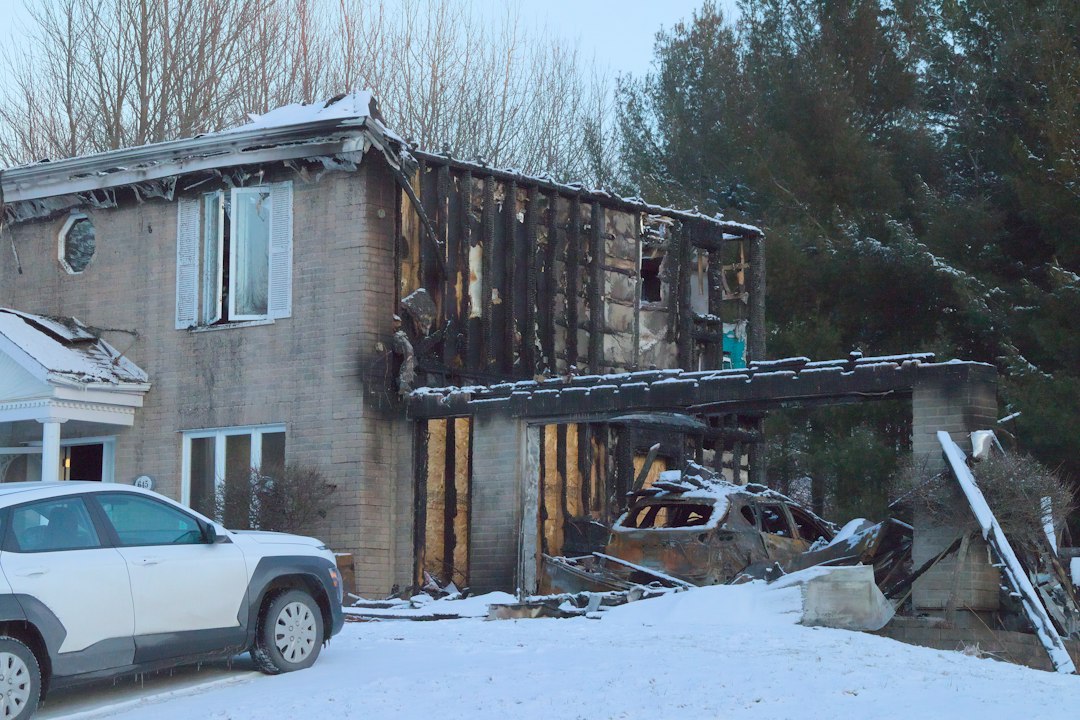
Multi-family housing complexes present unique challenges for fire safety. With many residents sharing common spaces and facilities, the potential for fire spread is heightened. Therefore, it's crucial to understand the specific fire safety requirements and procedures tailored to these environments. Beyond the legal obligations, implementing effective fire safety measures requires a multi-faceted approach.
The first step involves a thorough understanding of the National Fire Protection Association's (NFPA) guidelines, such as the NFPA 5000, which provides a framework for fire-safe building design and construction. This includes proper wiring, fire-resistant materials, and adequate escape routes. Regular inspections and maintenance are equally vital. Kitchen appliances, electrical outlets, and heating systems should be checked regularly for potential hazards. Fire alarms and sprinkler systems must be in working order, tested frequently, and battery-backed up for reliable protection.
The Role of Technology in fire damage assessment matters in multi-family complexes. Advanced smoke detectors, heat sensors, and even smart home systems can provide early warnings and aid in evacuations. After a fire, these technologies can also help identify the origin and extent of the damage, which is crucial for insurance claims and legal considerations after fire damage (visit us at How to Clear Out Smoke Damage for guidance). Beyond traditional methods, eco-friendly approaches to fire restoration are gaining popularity. These methods use non-toxic cleaning agents and sustainable building practices to minimize the environmental impact of repairs, ensuring a healthier living environment for all residents.
By prioritizing fire safety education, implementing robust technological solutions, and embracing eco-conscious restoration practices, multi-family housing complexes can significantly reduce fire risks and enhance the safety of their inhabitants. Understanding the legal considerations and working with restoration experts who specialize in post-fire clearance (a service we provide) can streamline the recovery process, ensuring a swift return to safety and normalcy.
Preparing for Fire: Complex Safety Measures

In multi-family housing complexes, preparing for fire safety is paramount to ensure the well-being of residents and minimize damage. Beyond basic fire alarms and extinguishers, complex safety measures include comprehensive fire detection systems, interconnected smoke detectors, and emergency notification devices. Regular maintenance and testing of these systems are crucial, as highlighted by the National Fire Protection Association (NFPA). A well-maintained fire sprinkler system can significantly reduce the extent of fire damage, making the process of House Clearance After Fire Damage more manageable.
The role of local governments in fire prevention cannot be overstated. Many municipalities mandate specific fire safety standards for multi-family dwellings, such as regular inspections, clear exit pathways, and adequate fire suppression systems. Compliance with these regulations not only safeguards lives but also helps to avoid costly fines and potential legal issues. Insurance providers, working in conjunction with local governments and property managers, often offer guidance on enhancing fire safety and may even provide incentives for complexes that implement robust fire prevention measures.
In the event of a fire, efficient House Clearance After Fire Damage is essential. Residents should be educated on evacuation procedures and meet at pre-determined safe spots. Restoring your bathroom after a fire, for example, requires specialized cleaning to remove smoke and soot, ensuring a safe and hygienic space for residents once the complex reopens. The Local Fire Departments play a pivotal role in coordinating rescue efforts and advising on the scope of damage, while Restoration Experts can assist with post-fire cleanup and restoration, including the safe disposal of burnt possessions.
Local Storage Facilities can also be a valuable asset in the aftermath of a fire, providing temporary space for displaced belongings during the restoration process. The National Association of Insurance Commissioners offers resources and guidelines for handling insurance claims efficiently, ensuring residents receive the necessary support for their fire-damaged properties. By combining proactive fire safety measures, effective emergency response, and thorough House Clearance After Fire Damage, multi-family housing complexes can create a safer, more resilient living environment for their residents. Visit us at Cleaning Burned Belongings for expert advice on managing fire damage and restoration.
House Clearance After Fire Damage: Step-by-Step

House Clearance After Fire Damage: A Comprehensive Step-by-Step Guide
The impact of a fire in a multi-family housing complex can be devastating, leaving behind not only physical damage but also a complex web of legal and insurance considerations. Effective house clearance after fire damage is crucial for the safety of residents, the preservation of property, and the efficient processing of insurance claims. This step-by-step guide aims to provide a practical, expert-backed approach to navigating the aftermath of a fire, ensuring that the process is as smooth and beneficial as possible for all involved.
Step 1: Ensure Safety and Evacuation (The first priority is always human safety). Local fire departments will assess the situation and provide guidance. Collaborate with them to ensure all residents are evacuated safely. Once the immediate danger has passed, it's essential to document any injuries and notify the appropriate authorities and insurance companies. This is a critical initial step in both fire damage mitigation and the claims process, especially regarding The Impact of Fire on Home Insurance Rates.
Step 2: Conduct a Thorough Damage Assessment (With the safety of residents secured, a comprehensive assessment is key). Engage the services of qualified professionals to inspect the property. They will evaluate structural integrity, identify potential hazards, and assess the extent of smoke, water, and fire damage. This assessment guides the restoration process and is crucial for insurance claim accuracy. Professionals can determine if the fire was contained to a specific area or if it spread, affecting multiple units.
Step 3: Make Informed Decisions: Professional vs. DIY Restoration (Many homeowners face the DIY vs. Professional restoration dilemma). While DIY methods can be cost-effective, fire damage restoration requires specialized equipment and expertise. Professional restoration services are trained to handle the unique challenges of fire damage, including the safe removal of soot and ash, and preventing mold growth. They also have the resources to expedite the process. However, understanding the scope of work and costs associated with professional services is essential before committing.
Step 4: Engage in the Claims Process (Fire damage claims involve legal and insurance complexities). Consult with insurance claim assistants who understand the nuances of fire insurance policies. They can guide you through the documentation required to support your claim. This includes providing evidence of the loss, such as photographs and, in some cases, the assessment from Step 2. It's crucial to understand your policy's coverage and deductibles, especially as it relates to Fire Damage and Health Concerns, as some policies may not cover certain health-related issues arising from smoke inhalation.
Step 5: Efficient Clearance and Restoration (Once approved, the clearance and restoration process begins). Working with a reputable restoration company, such as those specializing in Salvageable Property After Fire, ensures a thorough and efficient process. They will safely discard burnt possessions, clean and decontaminate the property, and rebuild as necessary. This step involves meticulous attention to detail, ensuring that the property is restored to its pre-fire condition or better.
Step 6: Rebuild and Learn (The final step is to rebuild and prevent future loss). Implement fire-safe home preservation methods to minimize the risk of future fires. This includes installing smoke alarms, developing an escape plan, and educating residents on fire safety. Regular maintenance and inspections can help identify potential hazards, ensuring a faster response in the event of an emergency.
Safe Evacuation and Emergency Response

Fire safety in multi-family housing complexes is a multifaceted issue that requires a comprehensive approach to prevent, mitigate, and manage the aftermath of fires. Safe evacuation and emergency response are critical components of this strategy. When a fire occurs, swift and orderly evacuation can significantly reduce the risk of injury and loss of life. It's not just about having fire alarms and exit signs; it's about ensuring that residents understand and practice emergency procedures regularly.
A well-rehearsed evacuation plan should include clear communication strategies, designated meeting points, and alternative routes. Building management should conduct drills at least twice a year to familiarize residents with these protocols. In the event of a fire, local fire departments must be notified immediately, and residents must be educated on how to use fire extinguishers effectively if the fire is contained at a manageable level. Quick response from emergency services is crucial, and clear signage and well-maintained fire equipment can expedite their arrival.
Restoring your kitchen after fire damage is a complex task that requires specialized cleaning and decontamination. Smoke odor elimination is a critical step in the restoration process, as lingering smoke can negatively impact air quality and cause long-term health issues. Professional services use advanced techniques and products to remove smoke and soot odors, ensuring a safe and healthy living environment. Effective smoke odor elimination involves a multi-step process that includes air filtration, odour neutralization, and surface cleaning.
Community responsibility matters in fire safety. The National Fire Protection Association (NFPA) emphasizes the importance of public education and community involvement in fire prevention. Schools often host fire safety workshops to teach children about fire hazards and what to do in case of an emergency. These programs extend to community centers and older adult facilities, where residents are educated on fire safety and evacuation plans. By fostering a culture of fire safety, communities can significantly reduce the risk and impact of fires, making them safer places to live.
If you require immediate assistance with House Clearance After Fire Damage, give us a call at Emergency Post-Fire Cleanup. Our experts are available to help you navigate the complex process of restoration, ensuring your home is restored to its pre-fire condition as efficiently and effectively as possible.
Post-Fire: Structural Integrity Assessment
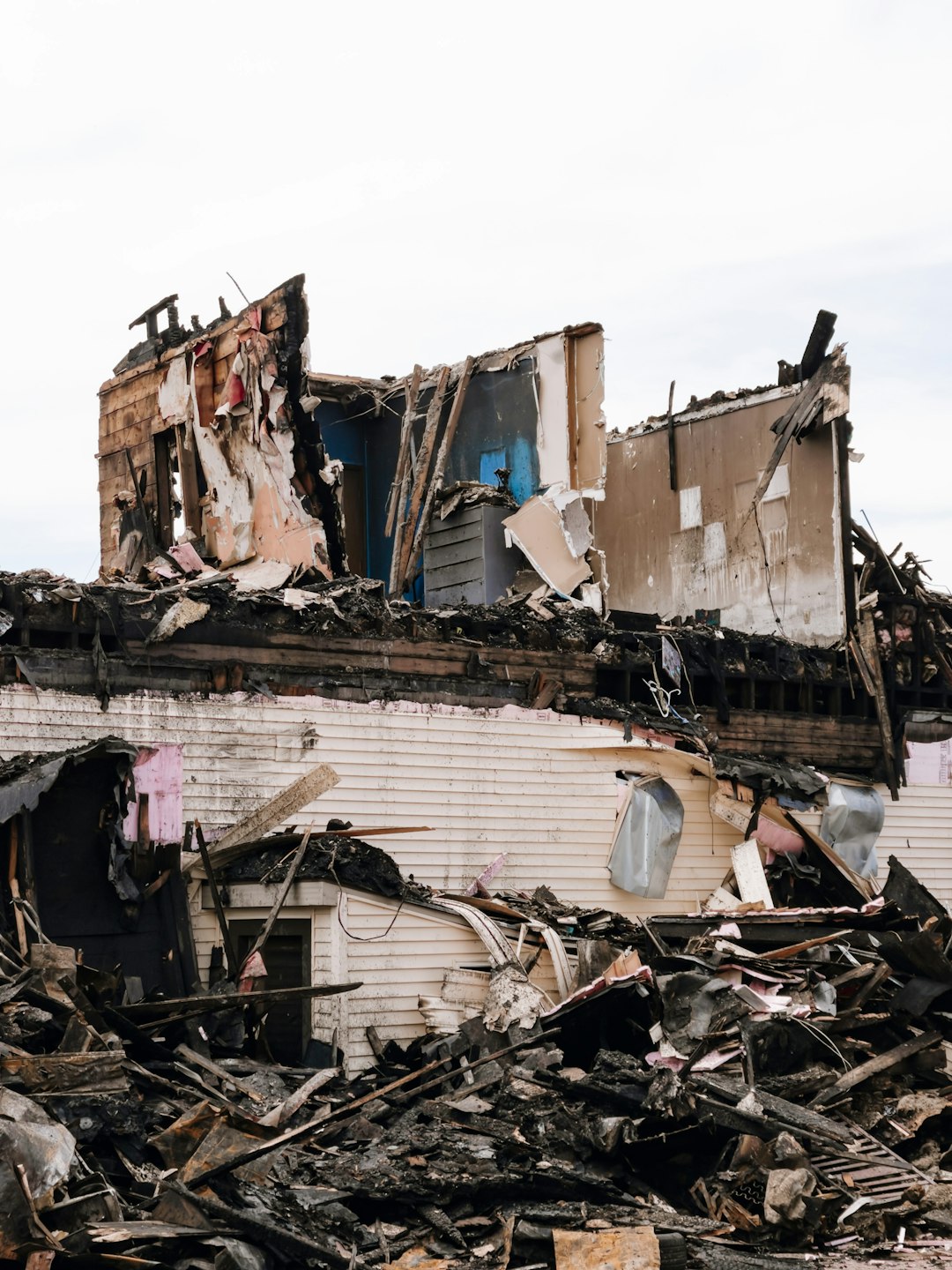
After a fire, the first step in House Clearance After Fire Damage is a thorough assessment of the building's structural integrity. This critical process involves a comprehensive evaluation of the property's safety and soundness. It's not merely about whether the exterior stands; it examines the integrity of load-bearing walls, floors, and roofs, as well as the stability of the overall structure. This assessment is crucial for determining whether a building is safe to occupy and for guiding the subsequent restoration and clearance process.
Local fire departments, in conjunction with building inspectors, play a pivotal role in this assessment. They utilize specialized knowledge and equipment to check for structural damage, including cracks in foundations, walls, or ceilings, as well as signs of collapse or instability. Understanding Fire-Resistant Building Materials is key here; modern construction often incorporates these materials to bolster fire safety, and their presence can significantly impact a structure's post-fire viability.
The National Fire Protection Association (NFPA) recommends regular fire drills, not just for residents but also for building managers and staff. These drills not only prepare occupants for emergency situations but also provide valuable insights into the building's structural performance under simulated fire conditions. A drill might reveal hidden structural weaknesses or highlight areas needing reinforcement, offering a proactive approach to fire safety.
Once structural integrity is confirmed, and in collaboration with insurance claim assistants and restoration experts, a plan for safe removal of damaged or contaminated materials can commence. Home Restoration Experts Near Me can provide specialized services tailored to the specific needs of multi-family housing complexes, ensuring that the clearance process is completed efficiently, safely, and in compliance with all relevant regulations, including those set by the Insurance Regulatory Authority and the National Association of Insurance Commissioners.
Restoring and Preventing Future Fire Risks
Restoring multi-family housing complexes after a fire involves a meticulous process that goes beyond the immediate damage. It's crucial to address the root causes and implement preventive measures to mitigate future risks. House clearance after fire damage is not just about removing debris; it's about understanding and enhancing fire safety.
The first step is to file an insurance claim for fire damage, which involves documenting the losses accurately. This process can be streamlined by understanding the types of coverage available and the specific needs of your complex. Once the claim is filed, it's essential to engage restoration experts who can assess not only the structural damage but also the potential hazards that may have been exposed. Smoke damage can leave behind hazardous particles, and water used for extinguishing fires might have infiltrated electrical systems, posing new risks.
Restoring your home's energy efficiency post-fire is another critical aspect. Replacing damaged insulation and windows can significantly reduce energy loss and lower utility bills. This is not only cost-effective but also contributes to a safer environment by minimizing the risk of future fires caused by overheating. It's vital to familiarize residents with proper fire safety practices and provide training on using fire extinguishers. Understanding fire extinguisher types and uses is essential, as different extinguishers are designed for specific types of fires.
Preventive measures go beyond individual units. Regular maintenance checks, such as inspecting electrical systems, replacing faulty smoke detectors, and conducting fire drills, are crucial. Collaborating with local fire departments and community safety programs can further enhance these efforts. By incorporating these steps, multi-family housing complexes can significantly reduce the risk of future fires and ensure a safer environment for all residents. For tailored advice and expert assistance, give us a call at Fire Restoration Success Stories.
Frequently Asked Questions About Fire Safety in Multi-Family Housing Complexes
What are the primary fire safety concerns in multi-family housing complexes?
Multi-family housing complexes face unique fire safety challenges, primarily due to their high density and shared spaces. These include:
- Spread of Fire: Fires can quickly leap from apartment to apartment through shared walls, ventilation systems, and even electrical wiring.
- Escape Routes: Complex layouts with multiple floors and interconnected units require well-planned escape routes and adequate exit points.
- Large Number of Residents: Evacuating a building with many occupants, often including children, elderly, and individuals with disabilities, demands efficient emergency response and clear communication.
- Common Areas: Shared amenities like lobbies, hallways, and parking garages require fire-resistant construction and regular maintenance.
What are the best practices for fire prevention in these complexes?
Implementing robust fire safety measures is crucial. Some best practices include:
- Regular Fire Drills: Conducting frequent drills involving all residents, focusing on evacuation routes, meeting points, and using fire extinguishers.
- Smoke Detector Maintenance: Ensuring all smoke detectors are in working order, testing them monthly, and replacing batteries annually.
- Fire Safety Education: Providing residents with information about fire hazards, prevention techniques, and safe evacuation procedures.
- Prompt Reporting: Establishing clear protocols for reporting fires, including dedicated emergency contact numbers and easily accessible fire safety equipment.
Who is responsible for fire safety in multi-family housing?
Responsibilities for fire safety in these complexes are shared:
- Property Owners/Managers: They are responsible for ensuring proper fire safety systems are installed, maintained, and up to code. This includes smoke detectors, fire alarms, sprinkler systems, and fire extinguishers. They also oversee fire safety training and emergency planning.
- Local Fire Departments: They provide fire prevention inspections, respond to emergencies, and offer guidance on fire safety practices.
- Residents: Individuals living in the complex play a vital role by participating in fire drills, knowing emergency procedures, and reporting any potential fire hazards.
How do I know if my complex is compliant with fire safety regulations?
Determining compliance involves a few key steps:
- Review Building Codes: Familiarize yourself with local building codes and fire safety regulations.
- Inspect Fire Safety Equipment: Check for properly installed and maintained smoke detectors, fire alarms, sprinkler systems, and fire extinguishers.
- Ask the Property Manager: Your manager should be able to provide documentation of compliance and information about fire safety procedures.
- Contact Local Authorities: If you have doubts, reach out to your local fire department for an inspection and assessment.
What happens during a fire in a multi-family complex?
The outcome of a fire in these settings heavily depends on proper preparation and quick response:
- Early Detection: Smoke detectors and fire alarms signal the presence of a fire, allowing for prompt evacuation.
- Efficient Evacuation: Well-planned escape routes, clear communication, and practiced drills facilitate a swift and safe exit for all residents.
- Emergency Services: Local fire departments arrive quickly, using specialized equipment to extinguish the fire and prevent damage.
Fire safety in multi-family housing complexes is a multifaceted issue that demands a comprehensive approach. From understanding the intricacies of complex safety measures to the crucial step of House Clearance After Fire Damage, every aspect matters in minimizing risks and ensuring the well-being of residents. By integrating rigorous preparation, efficient evacuation strategies, and meticulous post-fire assessments, these buildings can better withstand the ravages of fire. Proactive restoration and prevention measures are key to maintaining a safe environment. The article has illuminated these critical components, offering valuable insights for property managers, residents, and emergency responders. Armed with this knowledge, we can collectively work towards creating safer, more resilient communities, ensuring that the devastating impact of fires in multi-family dwellings is mitigated.
Understanding Fire Safety in Multi-Family Homes:
Multi-family housing complexes require tailored fire safety strategies due to shared spaces and potential for rapid fire spread. The National Fire Protection Association (NFPA) guidelines, like NFPA 5000, provide essential frameworks for fire-safe design and construction. Regular inspections, maintenance, and advanced detection systems are crucial.
Technology matters in fire damage assessment, helping to pinpoint origins, extent, and aiding insurance claims. Eco-friendly restoration methods minimize environmental impact while ensuring a healthier living environment.
Community Engagement:
The NFPA emphasizes public education and community involvement in fire prevention, with programs targeted at schools, community centers, and older adult facilities.
Post-Fire Clearance:
After a fire, a thorough assessment of structural integrity is vital, identifying safe areas and those needing renovation. Insurance claims, expert restoration, and addressing root causes are essential for future risk mitigation and a swift return to safety.
Restoration Process:
House clearance involves not just debris removal but also understanding and enhancing fire safety. This includes:
- Accurately documenting insurance claims.
- Engaging restoration experts for comprehensive assessments.
- Replacing insulation, windows, and conducting fire drills.
- Collaborating with local fire departments for preventive measures.