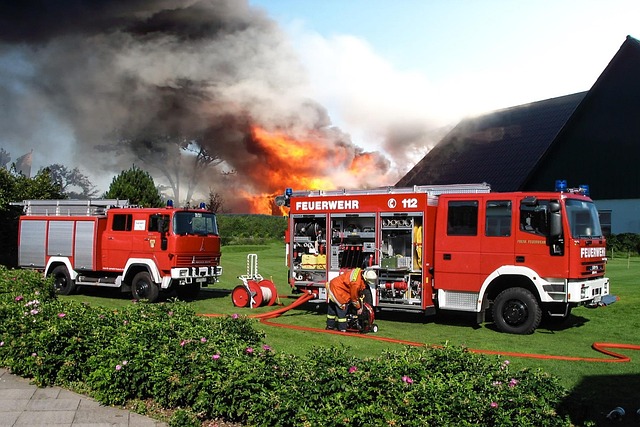
Fire safety inspections are vital for identifying vulnerabilities and ensuring buildings meet standards. Local governments enforce codes with mandatory inspections to mitigate fire damage costs. Historical homes require specialized restoration post-fire. Annual inspections identify hazards and offer mitigation recommendations. House clearance after fire damage involves expert guidance, efficient cleanup, and thorough reconstruction adhering to safety standards. Understanding insurance coverage is key.
Clearance balances public safety, legal compliance, and financial protection for landlords and owners. Specialized equipment removes remnants and odors while salvaging reusable items. Restoring belongings requires smoke damage mitigation techniques. Regular home fire drills and maintenance of safety equipment are crucial for improving evacuation times and survival odds.
Fire safety inspections play a vital role in safeguarding lives and properties, especially in the wake of house clearance after fire damage. With countless homes at risk from accidental blazes, regular and thorough inspections are essential to identifying potential hazards. Unfortunately, many properties overlook this critical aspect, leaving them vulnerable to catastrophic losses. This article delves into the significance of fire safety checks, highlighting common challenges like outdated wiring or inadequate smoke detectors. By exploring these issues, we aim to equip homeowners with knowledge, emphasizing the need for proactive measures to mitigate risks and ensure a safer living environment.
- Understanding Fire Safety Inspections: Essential Preventive Measure
- The Process: How Fire Safety Checks Are Conducted
- House Clearance After Fire Damage: A Critical Step
- Enhancing Safety: Post-Inspection Recommendations and Next Steps
Understanding Fire Safety Inspections: Essential Preventive Measure

Fire safety inspections are an essential preventive measure that plays a pivotal role in mitigating potential risks and saving lives. These rigorous assessments are designed to identify vulnerabilities within buildings, ensuring compliance with fire safety standards. By employing advanced techniques and tools, fire safety inspectors meticulously scrutinize every aspect of a structure—from electrical wiring to evacuation routes—to minimize the likelihood of devastating fires. Regular inspections not only protect occupants but also help in house clearance after fire damage, which is crucial for restoring properties and mitigating secondary losses.
Local governments have a significant role in promoting fire prevention through stringent building codes and mandatory inspection programs. The cost of fire damage restoration can be substantial, with estimates varying based on the extent of the damage. Historical homes, in particular, present unique challenges due to their intricate architecture and use of vintage materials, necessitating specialized restoration techniques. Restoring these structures after a fire requires meticulous attention to detail, often involving expert conservationists who balance preservation with safety regulations. As fires continue to pose a significant threat, local governments must remain vigilant, investing in comprehensive fire prevention strategies that include regular inspections.
To ensure optimal protection, property owners should consider scheduling professional fire safety inspections at least annually. These inspections not only identify potential hazards but also provide actionable recommendations for mitigation. Moreover, understanding the process and benefits of these checks can empower individuals to take proactive measures in creating safer living environments. For those facing house clearance after fire damage, partnering with seasoned professionals specializing in fire damage restoration services—like Local Fire Damage Restoration Services—is paramount. They offer expert guidance, efficient cleanup, and thorough reconstruction, ensuring properties are not only restored but also enhanced, reflecting the latest safety standards.
The Process: How Fire Safety Checks Are Conducted

Fire safety inspections are a crucial aspect of home maintenance, especially after potential hazards like fire damage. The process of conducting these checks involves a systematic evaluation to ensure compliance with fire safety measures for unoccupied properties and identify areas requiring immediate attention. Fire safety inspectors meticulously assess structural elements, electrical systems, and potential risks that could lead to a reoccurrence. One critical aspect often overlooked is house clearance after fire damage, where the initial assessment includes determining if any hazardous materials or debris require safe disposal, such as giving us a call at Safe Disposal of Soot and Ash for expert handling.
During an inspection, professionals examine the integrity of structural elements, particularly in areas heavily affected by fire. This includes assessing walls, floors, roofs, and ceilings for signs of damage or weakness. In cases where fire-damaged structural components need replacement, it’s essential to understand when to do so, especially if the property is unoccupied. For instance, a thorough inspection might reveal that while exterior walls appear intact, internal framing may have sustained significant heat and smoke damage. In such scenarios, replacing these elements promptly becomes critical for maintaining fire safety. Understanding your homeowner’s insurance coverage plays a vital role here; policies typically cover repairs and replacements after fire damage, but knowing the extent of coverage is key to effective house clearance and restoration.
Moreover, fire safety inspectors verify the functionality of smoke alarms and fire detection systems, ensuring they meet current standards. They also assess the availability and accessibility of emergency exits and examine the overall layout for potential improvements in fire safety. This process involves a comprehensive understanding of local building codes and regulations, allowing experts to provide tailored advice for each property. By combining their expertise with data from past inspections, these professionals can offer insights into areas that may require ongoing attention or significant renovations, ultimately enhancing the safety of unoccupied properties.
House Clearance After Fire Damage: A Critical Step

House Clearance After Fire Damage is a critical step in the recovery process, playing a pivotal role in protecting your business from fire catastrophes. The immediate aftermath of a fire incident can be emotionally taxing and physically demanding, but a well-planned house clearance strategy can significantly mitigate the financial and legal implications for landlords and property owners. This process involves more than just removing debris; it’s about assessing damage, understanding legal rights, and making informed decisions to ensure a safe and compliant restoration.
In the heat of a fire disaster, landlords face numerous challenges, from navigating insurance claims to adhering to local building codes during renovation. Effective house clearance after fire damage is not merely a question of aesthetics but also one of public safety and regulatory compliance. Professional restorers employ specialized equipment and techniques to thoroughly cleanse structures, eliminating not just visible remnants of the fire but also hazardous smoke odors and toxic residues. This meticulous process includes decontaminating surfaces, removing charred insulation, and sanitizing air ducts, ensuring a healthy environment for future occupation.
When considering options for house clearance post-fire, homeowners often grapple with the choice between professional restoration services and DIY approaches. While do-it-yourself methods can be cost-effective, they may not address all the intricacies of fire damage. Professional vs. DIY fire restoration ultimately comes down to scope, expertise, and legal considerations. Landlords, especially those managing commercial properties, are advised to consult with experts who understand the nuances of local regulations and industry best practices. Effective Smoke Odor Elimination specialists can provide valuable guidance on the entire process, ensuring that every aspect of house clearance is handled according to legal rights and highest standards, leaving no room for further complications or costly mistakes.
In a world where fire incidents are all too common, proactive measures like regular maintenance checks and well-planned house clearance strategies can be game changers. By prioritizing these steps post-fire damage, landlords not only protect their business interests but also demonstrate a commitment to the safety and well-being of future tenants. Remember that in the aftermath of a fire catastrophe, swift action coupled with expert guidance is key to turning a devastating event into an opportunity for resilience and renewal.
Enhancing Safety: Post-Inspection Recommendations and Next Steps
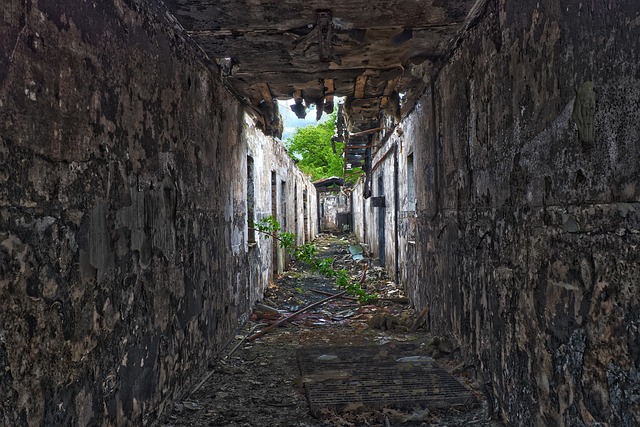
Fire safety inspections play a pivotal role in enhancing residential security measures. Post-inspection, the recommendations and subsequent actions are crucial for creating a safer living environment. One of the primary tasks is assessing the structural integrity of the property following a fire. This involves a meticulous evaluation of the building’s framework, walls, and floors to ensure they remain stable and safe for occupancy. For instance, a recent study by the National Fire Protection Association (NFPA) revealed that early detection systems and regular inspections can significantly reduce fire-related deaths and injuries by 60%.
House clearance after fire damage is another critical step in the restoration process. The accumulation of ash, soot, and charred debris poses health risks and contributes to further deterioration if not promptly addressed. Professional house clearance services specialize in safely removing contaminated materials while salvaging reusable items. Restoring personal belongings after a fire requires careful consideration and specialized techniques. Services like Cleaning Burned Belongings offer expertise in mitigating smoke damage and revitalizing possessions, ensuring they meet safety standards for future use.
Regular fire drills at home are an often-overlooked yet vital component of fire safety. These simulated emergencies help residents develop intuitive responses, improving evacuation times during actual incidents. Implementing a structured drill routine, complete with designated meeting points outside the residence, can substantially enhance survival odds. Moreover, assessing structural integrity and restoring belongings should be accompanied by a comprehensive review of fire safety equipment, including smoke alarms and extinguishers. Regular maintenance ensures these critical tools remain operational, ready to protect against potential fires.
Fire safety inspections are a crucial preventive measure that plays a vital role in safeguarding lives and properties. Understanding the process and its outcomes equips individuals with knowledge to ensure house clearance after fire damage, a critical step often overlooked. The article has highlighted how thorough inspections identify risks, guide enhancements, and provide actionable recommendations for improved safety. Key insights include recognizing the importance of regular checks, embracing post-fire assessments, and implementing practical solutions to mitigate potential hazards. By adhering to these practices, individuals can transform their living spaces into safer environments, ensuring peace of mind and community well-being.