
House clearance after fire damage involves meticulous documentation, prompt insurance communication, and strategic steps for a seamless recovery. Key aspects include:
– Documentation: Take photos, inventory personal belongings, and maintain detailed records.
– Insurance: Contact insurers immediately, providing necessary documents like policy details and fire reports.
– Safety & Professionalism: Prioritize safety by understanding building codes, wearing protective gear, and engaging professionals for extensive repairs.
– Eco-Friendly Restoration: Choose specialized services promoting sustainable cleanup methods.
– Legal Considerations: Understand rights, obtain permits, and consult local authorities for a successful claims process.
Filing an insurance claim for fire damage is a crucial step in the recovery process after a devastating fire. Dealing with the aftermath of a fire can be overwhelming, including the daunting task of assessing and documenting House Clearance After Fire Damage. This comprehensive guide aims to empower homeowners with the knowledge and steps needed to navigate the claims process smoothly. We’ll break down each critical aspect, ensuring you understand your rights and responsibilities while providing practical tips for efficient claim management. By following these expert insights, you can efficiently restore your home and life after a fire.
- Understanding Your Insurance Policy After Fire Damage
- Documenting and Preparing for House Clearance After Fire Damage
- Filing a Claim: Step-by-Step Guide and Necessary Documents
- Navigating the Claims Process: Tips for a Smooth Recovery
Understanding Your Insurance Policy After Fire Damage

After experiencing fire damage to your property, understanding your insurance policy is a critical step in the house clearance after fire damage process. Your insurance provider will guide you through filing a claim, but comprehending the specifics of your coverage is essential. Carefully review your policy documents, noting the types and extent of protection offered. Common clauses include coverage for structural damage, personal belongings, and additional living expenses during repairs.
A key aspect to consider is the role of building codes after a fire. These regulations ensure that structures meet safety standards and prevent future hazards. Your insurance company will often require compliance with local building code requirements during the restoration process. For instance, if a fire has compromised structural integrity, repairs must adhere to updated building codes for safety and claim approval. This may involve professional inspections and adherence to specific construction standards.
When it comes to fire restoration, deciding between DIY methods and professional services is a crucial choice. While DIY options can be cost-effective for minor repairs, extensive fire damage often requires specialized knowledge and equipment. Professional vs. DIY fire restoration depends on the extent of damage, your skill level, and desired outcomes. For instance, removing charred walls and replacing insulation is a manageable DIY task, but addressing mold remediation or complex structural repairs necessitates professional expertise.
A step-by-step guide to documenting fire damage can aid in the claims process. Start by taking detailed photos of affected areas, noting dates and descriptions. Keep records of all communications with your insurance provider and restoration contractors. Collect receipts for any expenses related to temporary housing or essential household items. Additionally, document any ongoing costs associated with house clearance after fire damage, such as storage fees or disposal of non-salvageable possessions. This comprehensive documentation will support your claim and ensure a smoother process.
Should you encounter challenges or have specific questions regarding your policy, reach out to experts in prevention like Preventing Future Fire Damage. They can offer tailored guidance based on local regulations and fire safety practices. By staying informed and proactive, you’ll be better equipped to navigate the complexities of insurance claims and house clearance after fire damage.
Documenting and Preparing for House Clearance After Fire Damage

After a fire, proper documentation and preparation for house clearance after fire damage are crucial steps in the claims process. This phase demands meticulous attention to detail as you navigate through the aftermath of the disaster. Begin by conducting a thorough inspection of the damaged property, documenting every aspect, from structural integrity to personal belongings. Take photos or videos, noting the extent of the fire’s reach and subsequent water damage, if any. Keep detailed records of valuable items, their locations, and estimated values—this will be invaluable when filing your insurance claim.
House clearance after fire damage often involves hazardous materials and debris removal. As you assess the situation, understand the potential risks associated with different fire extinguisher types and uses. Some extinguishers contain chemicals that may require specialized disposal methods. Regularly scheduled fire drills at home can better prepare residents for such scenarios, ensuring everyone knows the proper evacuation routes and emergency contact information.
Once the immediate danger has passed, prioritize safety during house clearance after fire damage by wearing protective gear, including gloves, masks, and eye protection. Remove any salvageable items while discarding or donating contaminated belongings. Collaborate with professionals to safely dismantle and dispose of structural elements that may have been weakened by the fire. This meticulous approach ensures a smoother insurance claim process and facilitates a more comprehensive recovery for affected homeowners.
For expert guidance on navigating house clearance after fire damage, visit us at Fire Damage Debris Cleanup. Our team offers specialized services tailored to help you through every step of the cleanup and restoration process, ensuring your home is restored safely and efficiently.
Filing a Claim: Step-by-Step Guide and Necessary Documents

When facing fire damage, navigating the process of filing an insurance claim is crucial for a smooth recovery. This step-by-step guide will help you understand the necessary actions and documents required to ensure a successful claim.
Step 1: Assess the Damage and Create a Detailed Inventory. Begin by documenting the extent of the fire damage in your home, taking photos of affected areas, and creating an inventory of damaged possessions. This is essential for both insurance purposes and house clearance after fire damage. Categorize items, noting their value and potential sentimental worth. For example, if you have valuable artwork or heirlooms, document them separately as they may require specialized cleaning and restoration.
Step 2: Contact Your Insurance Provider. Reach out to your insurance company promptly to inform them of the fire incident. Provide them with relevant details, including the date and time of the event, the cause (if known), and a preliminary estimate of the damage. The representative will guide you through the claims process, ensuring you understand the specific requirements for filing a claim related to fire damage. They may request that you submit the inventory list and photos as part of your claim documentation.
Step 3: Gather Necessary Documents. To file an insurance claim effectively, collect essential documents, such as:
– Proof of ownership for all damaged items, including receipts and purchase agreements.
– Recent home insurance policy documents.
– Local fire department reports or police records related to the incident.
– Estimates from restoration specialists, especially for specialized services like smoke and soot removal and environmental impact remediation (The Environmental Impact of Fire Restoration). These estimates should be detailed, itemizing labor costs and materials required for house clearance after fire damage.
Step 4: Submit Your Claim. Prepare and submit your claim application, including all the required documents. Ensure you follow the specific guidelines provided by your insurance company to avoid delays. After submission, maintain open communication with your adjuster, providing them with any additional information or updates as needed. Understanding Building Codes After a Fire will be beneficial for ensuring your property meets safety standards during and after restoration.
Remember, protecting your home from future fire hazards is an ongoing process. Regularly review your insurance policy and consider ways to enhance fire safety measures in your residence. For professional assistance in safely discarding burnt possessions, consult specialized services that can help with house clearance after fire damage, ensuring a thorough and safe cleanup.
Navigating the Claims Process: Tips for a Smooth Recovery
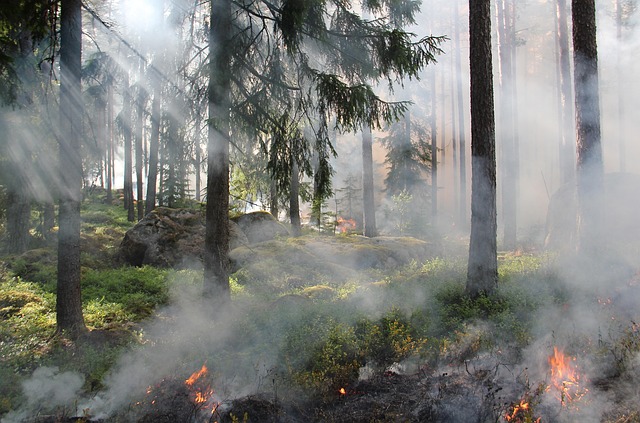
Navigating the claims process after experiencing fire damage can be a challenging yet crucial step towards recovery. This period requires careful attention to detail and a systematic approach to ensure a smooth transition back into your home. When dealing with house clearance after fire damage, understanding the legal considerations and adopting eco-friendly approaches to restoration are essential components of this journey.
The initial steps involve assessing the extent of the damage and gathering necessary documentation. Take detailed photos of the affected areas and keep records of all communications related to the claim. It’s important to contact your insurance provider promptly, as many policies have specific time frames for filing claims. During this process, you may consider enlisting professional assistance for house clearance after fire damage, especially if the event has left your property uninhabitable. Eco-friendly restoration methods can then be implemented to ensure not only the structural integrity of your home but also minimize environmental impact.
Legal considerations come into play when dealing with insurance claims. Understanding your rights and obligations is vital to ensuring a fair process. For instance, in some cases, you may require permits for certain types of repairs or demolition, especially in areas prone to fire hazards. It’s advisable to consult local authorities and your insurance company regarding these regulations. Moreover, seeking legal counsel can help navigate complex policies and protect your interests throughout the claims journey.
When ready, engage in house clearance with a strategic plan. Start by removing unsafe items and temporary repairs may be necessary to prevent further damage. Contacting a specialized cleanup service, such as Emergency Post-Fire Cleanup, for professional assistance is recommended. They can provide expert advice on eco-friendly approaches to fire restoration, ensuring your home is safely restored while minimizing environmental impact. This collaborative effort will contribute to a successful claims process and a seamless recovery following fire damage.
After experiencing fire damage, navigating the process of filing an insurance claim is crucial for a smooth recovery. This article has provided a comprehensive guide, from understanding your policy to documenting and preparing for house clearance after fire damage, and finally, filing a claim step-by-step. Key insights include thoroughly reviewing your insurance policy, documenting all damages, keeping records organized, and taking clear photos of the affected areas. Navigating the claims process effectively requires staying patient, communicating openly with your insurer, and being prepared to provide necessary documents, including proof of ownership and repair estimates. By following these practical next steps, homeowners can ensure their claims are processed efficiently, leading to a faster recovery and a chance to rebuild or restore their homes.