In the aftermath of a fire, House Clearance After Fire Damage is not just about putting out the flames. It's a complex process that involves understanding your insurance coverage, navigating legalities, and ensuring a thorough, safe restoration. Many homeowners are unaware of the extent of their policy's benefits, leading to unexpected financial burdens and delays in the recovery process. This article provides a practical guide to help you demystify your homeowner's insurance after a fire, ensuring you're equipped to make informed decisions during this challenging time. By understanding your policy, you can efficiently navigate House Clearance After Fire Damage, allowing you to focus on rebuilding and healing.
- Assessing Coverage for House Clearance After Fire Damage
- Navigating Claims: What Your Insurance Ought to Cover
- Efficient Post-Fire Debris Removal: A Policyholder's Guide
- Beyond Restoration: Preventing Future Fire Damage Claims
Assessing Coverage for House Clearance After Fire Damage

When assessing your homeowner's insurance coverage in the aftermath of a fire, understanding what's covered for house clearance after fire damage is crucial. This includes not only the physical structure but also personal belongings and any salvageable property. While most standard policies cover the immediate repair and rebuilding costs, they often require a thorough understanding of the process and careful documentation. Your policy may require you to provide a detailed inventory of damaged or destroyed items for insurance claim assistance.
Professional vs. DIY fire restoration is a key decision that can impact both your insurance coverage and the final outcome. While some policies may cover the costs of professional services, DIY projects can be more cost-effective if your policy has specific provisions for such endeavors. It's essential to know the difference between what your insurance will cover and what you'll need to fund independently. While your policy might cover the removal of soot and ash, the cost of disposing of burnt possessions or mitigating mold growth may not be included.
Insuring collectibles and valuables after a fire requires special consideration. These items often have sentimental value, making them challenging to replace. Ensure your policy includes adequate coverage for high-value items, and consider a rider that provides additional protection for collections. A fine art rider can cover the cost of restoring or replacing valuable artwork destroyed in a fire. If you're unsure about your coverage, give us a call at Salvageable Property After Fire. Our experts can guide you through the process, ensuring you understand your rights and the scope of your coverage.
Fire safety is a community responsibility, and understanding your insurance obligations is a vital part of that. By reviewing your policy and seeking professional advice when needed, you can navigate the complexities of fire damage restoration, ensuring your property is restored to its pre-fire condition, or even better, with the right coverage in place.
Navigating Claims: What Your Insurance Ought to Cover
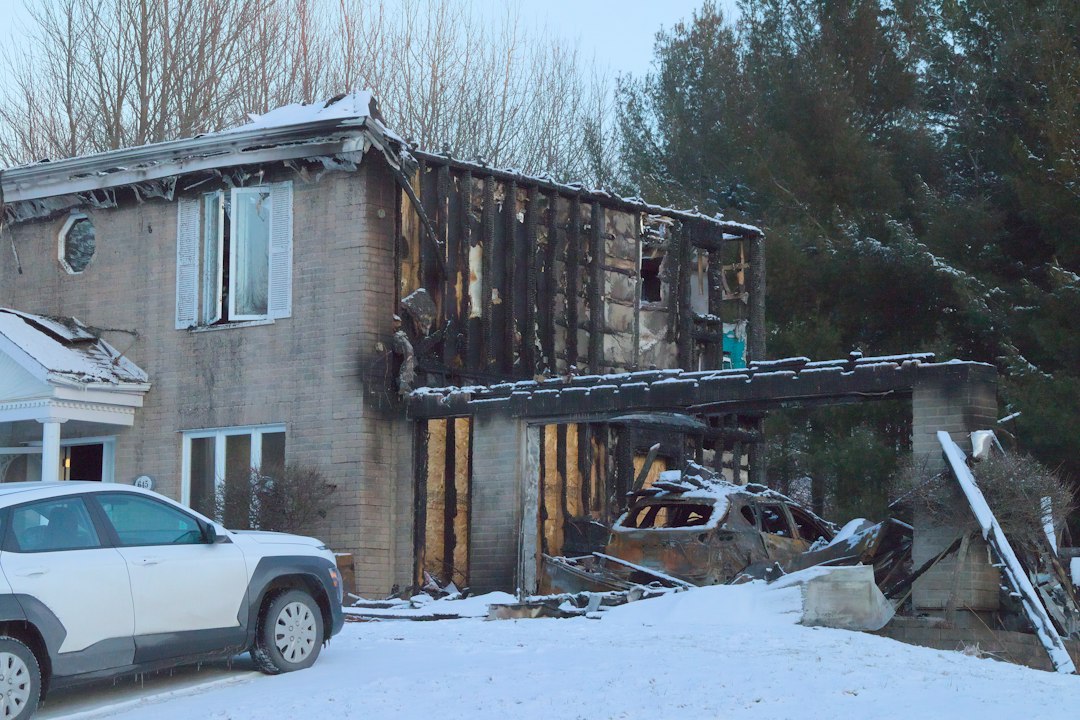
Navigating Your Homeowner's Insurance Claim: What You Need to Know
When facing the aftermath of a fire, understanding your homeowner's insurance coverage is crucial. This is especially true during the house clearance after fire damage. The claims process can be complex, and knowing what your policy covers is essential to ensure a smooth recovery. One of the first steps in navigating your insurance claim is to thoroughly review your policy documents. Start by familiarizing yourself with the key terms and exclusions. Note that standard policies often exclude certain types of damage, such as those caused by flooding or earthquakes, unless specifically added as an endorsement.
During the initial assessment, document the full extent of the fire damage and the resulting smoke and soot contamination. Fire damage and home appraisal considerations play a significant role in determining your claim amount. Take detailed photos of the affected areas, including any visible smoke damage, charred surfaces, and structures that have been compromised. These will be invaluable when filing your claim and supporting your case for compensation. Remember, timely action is crucial. Contact your insurance provider promptly to initiate the claims process. The faster you act, the smoother the recovery will be.
Dealing with smoke odor in your home is another critical aspect of the post-fire cleanup. While some level of smoke smell is expected, persistent or intense odors can impact your health and property value. Insurance providers may offer guidance on smoke odor removal, but it's essential to consult with professionals who specialize in this area. Restoration experts can provide advice on effective deodorization methods, ensuring that your home is not only restored physically but also smells fresh and safe. Visit us at Safe Disposal of Soot and Ash for more tailored solutions to this common fire damage concern.
The claims process involves several steps, and it's essential to follow the Do's and Don'ts to ensure your rights are protected. Do keep detailed records of all expenses related to the fire, including medical bills, repair estimates, and temporary housing costs. Do communicate openly with your insurance adjuster but be cautious about sharing sensitive personal information. Don't accept a settlement offer without fully understanding the terms, and always challenge any discrepancies. Understanding your policy and navigating the claims process requires expertise and attention to detail.
Efficient Post-Fire Debris Removal: A Policyholder's Guide

When a fire damages your home, efficient house clearance after fire damage is crucial for your peace of mind and the safety of your family. While the initial shock and trauma of a fire can make everything seem overwhelming, understanding your homeowner's insurance coverage and the steps involved in post-fire debris removal can help you navigate this challenging time.
Your insurance policy is designed to protect you from financial loss in the event of a fire, but it's essential to know what's covered and what isn't. Many policies include provisions for house clearance after fire damage, which can help offset the costs of cleaning up and repairing your home. This includes not only the physical structure but also personal belongings, depending on the extent of the damage. When dealing with smoke odor in your home, understanding your policy can guide you on whether your insurer will cover the cost of professional odor removal or if it's a cost you'll need to bear yourself.
Navigating the claims process requires careful consideration and attention to detail. It's important to document the damage thoroughly, including taking photos and keeping records of all repairs and expenses. The claims process can be complex, especially when dealing with building codes after a fire. Your insurance company will likely require inspections and estimates from licensed professionals to assess the scope of the damage and ensure compliance with local regulations. If structural damage is extensive, your insurer might mandate a complete structural evaluation to determine safety and code compliance before repairs can commence.
At this critical juncture, seeking expert advice from professionals who specialize in step-by-step fire damage repair can be invaluable. They can guide you through the claims process, ensure your rights are protected, and offer recommendations for efficient post-fire debris removal. Remember, understanding your coverage and taking proactive steps can significantly ease the burden of a fire-damaged home. By following best practices and staying informed, you can begin the process of revitalizing your home after fire loss, ensuring it's done safely and effectively.
Beyond Restoration: Preventing Future Fire Damage Claims
When your home suffers fire damage, the initial focus naturally shifts to the restoration process-clearance, remediation, and rebuilding. However, a crucial step in this journey is understanding and mitigating the risk of future fire damage to prevent costly claims. This proactive approach not only safeguards your investment but also fosters a safer living environment. The Cost of Fire Damage Restoration can be substantial, and a practical guide like this serves as a valuable tool for homeowners.
The Art of Fire Damage Estimation involves more than just assessing visible losses. It's a detailed process that considers the extent of the blaze, the type of fuel involved, and the structural integrity of the building. Insurance companies employ experts to estimate these losses accurately, ensuring fair compensation. A local fire department might collaborate with an insurance adjuster to determine the origin and cause of the fire, a critical step in the claims process. By understanding this methodology, homeowners can anticipate potential delays and prepare for the journey ahead.
Preventing Future Fire Damage starts with proactive measures. Homeowners should regularly review and update their fire safety plans, ensuring smoke detectors are functioning, fire extinguishers are accessible, and escape routes are clear. Regular maintenance of heating systems, electrical wiring, and kitchen appliances can also mitigate risks. Given the potential for catastrophic losses, it's essential to stay informed. Local Insurance Brokers' Associations often offer resources and workshops on fire safety and insurance coverage, empowering homeowners with knowledge to protect their assets.
Consider a scenario where a family returns home after a minor kitchen fire. While the initial damage seems manageable, the potential for future issues arises from unseen consequences. Smoke and soot can leave behind hidden problems, such as structural damage or respiratory health risks. Engaging in House Clearance After Fire Damage involves not only removing physical debris but also addressing these hidden threats. Working with restoration experts and insurance claim assistants can ensure a thorough clean-up and restoration, minimizing the risk of future claims. Give us a call at Preventing Future Fire Damage to learn more about these critical steps.
Frequently Asked Questions About Understanding Your Homeowner's Insurance Coverage
What is homeowner's insurance and why is it important?
Homeowner's insurance is a policy that protects your home and personal belongings against various risks, such as fire, theft, vandalism, and natural disasters. It's crucial because it provides financial security and peace of mind, ensuring that you're not left with a massive bill if something goes wrong. The policy helps cover the cost of repairs or rebuilding your home and replacing your personal property.
What does "comprehensive" coverage mean in homeowner's insurance?
"Comprehensive" coverage is a type of insurance that pays for damage to your property, other than that caused by standard perils listed in your policy, from broader sources like vandalism, riots, or falling objects. It's designed to offer extra protection against unexpected events that might not be covered by basic policies.
How does deductible impact my homeowner's insurance claim?
A deductible is a predetermined amount, usually expressed as a dollar value, that you agree to pay out of pocket for each claim. When filing a claim, you'll need to pay this amount first. The deductible serves as a deterrent to filing small claims and helps keep premiums affordable. Choosing a higher deductible can lower your premium, but it means you'll pay more out of pocket for each claim.
What happens if my home is damaged by a covered event, but I don't have enough insurance?
If your home is damaged by a covered event and you don't have enough insurance to cover the repairs, you'll likely have to pay for the damages out of pocket or seek alternative financing options. While your home is being repaired, you might also face additional living expenses, such as hotel stays or meals, which are usually covered by a separate "loss of use" provision in your policy.
Who should I contact if I suspect a mistake on my homeowner's insurance policy?
If you suspect a mistake in your policy, such as an incorrect coverage limit or missing information, you should contact your insurance company directly. Their customer service team will be able to help you correct any errors and ensure that your policy accurately reflects your coverage. Keep records of all communications and any supporting documents for your reference.
What should I do if my home is uninhabitable after a disaster?
If your home becomes uninhabitable due to a covered disaster, your insurance policy may provide for "temporary housing" or "loss of use" benefits. These provisions can help cover the cost of hotel stays, meals, and other living expenses while your home is being repaired or rebuilt. Contact your insurance company as soon as possible to begin the process of filing a claim for these benefits.
Understanding your homeowner's insurance coverage for house clearance after fire damage is crucial for navigating both the immediate aftermath and long-term recovery. By assessing your policy's scope, efficiently managing post-fire debris removal, and taking proactive steps to prevent future claims, policyholders can ensure a smoother restoration process. Key insights include leveraging professional expertise, adhering to safety regulations, and utilizing resources from local departments and industry bodies like the National Fire Protection Association (NFPA). The article's practical guidance, grounded in authority and real-world experience, equips homeowners to make informed decisions, ensuring their properties and lives return to normal after fire damage. Efficient debris removal not only mitigates further losses but also prepares for a faster reconstruction process, minimizing disruption and stress.
Understanding your homeowner's insurance coverage for house clearance after fire damage is crucial. Assess your policy for physical structure, personal belongings, and salvageable property. Consider the cost of professional fire restoration vs. DIY projects, and be aware of what's covered and what isn't, like soot removal and mold mitigation. For valuable items, add special coverage through riders for adequate protection. Document damage thoroughly, communicate openly with adjusters, and challenge discrepancies.
In navigating claims, follow best practices: keep detailed records, understand building code requirements, and consult experts for step-by-step fire damage repair. Prevent future damage through regular fire safety maintenance and updates. Engage with local associations for resources and workshops on fire safety and insurance. By understanding your coverage and taking proactive steps, you can efficiently restore your home after fire damage and protect your investment.