Restoring your bathroom after a fire can seem like a daunting task, but with the right approach, it's a process that can be effectively managed. Fires can cause extensive damage, leaving behind not only charred structures but also hazardous debris, including soot and ash. This is where professional house clearance after fire damage comes into play, a critical step often overlooked in the recovery process.
The initial aftermath of a fire can be emotionally taxing, with the bathroom, a space central to daily routines, often one of the hardest hit. This article provides a practical guide to navigating the restoration process, from assessing damage to ensuring a safe, functional bathroom once again. By the end, you'll be equipped with the knowledge to begin your journey towards revitalizing your space after fire loss.
- Assessing Fire Damage in the Bathroom
- Safe Removal and Disposal of Debris
- Reconstructing Your Bathroom After the Fire
Assessing Fire Damage in the Bathroom
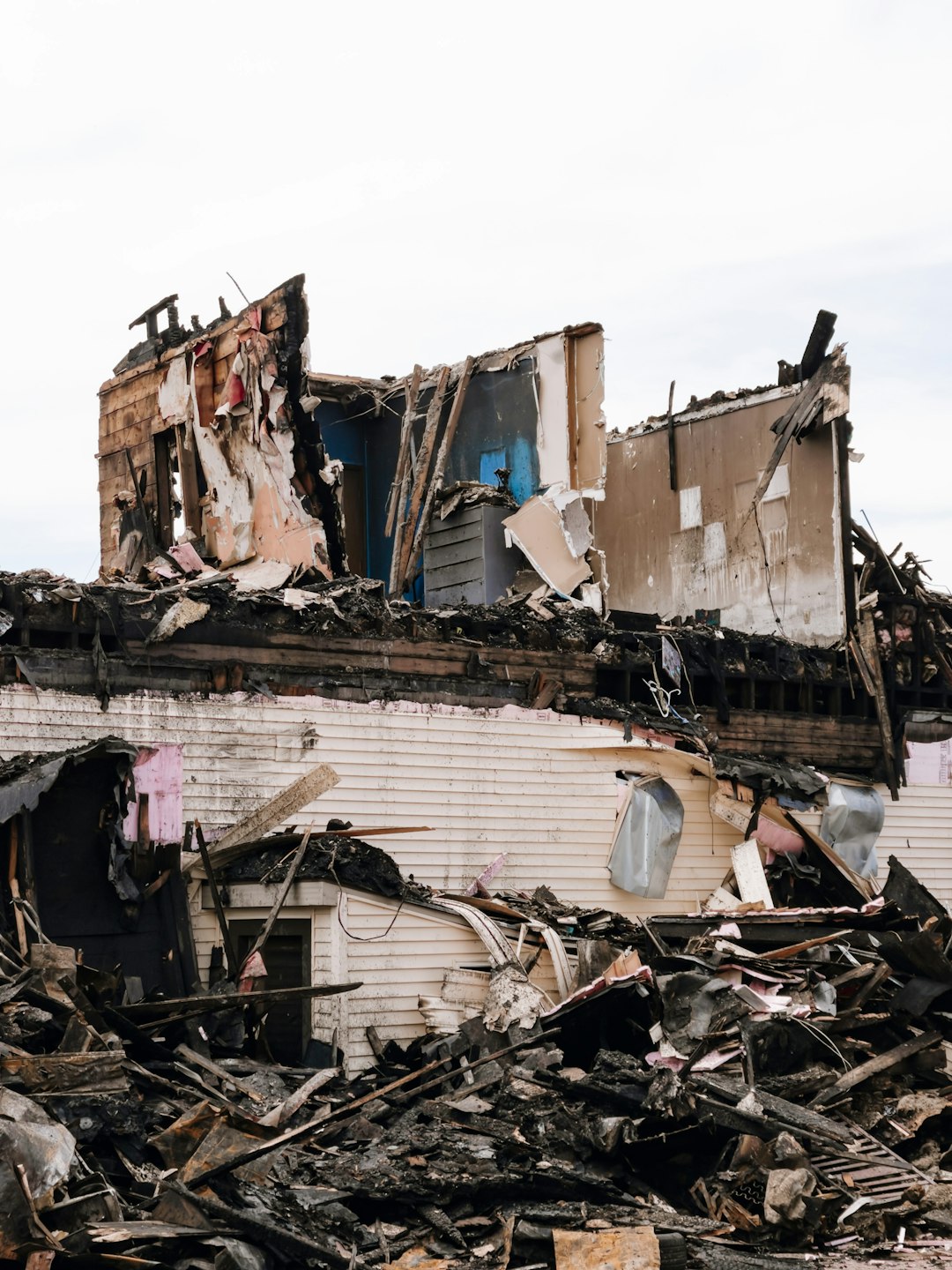
Assessing Fire Damage in the Bathroom
When a fire strikes, the bathroom-a space where hygiene and safety intersect-can be severely impacted. The extent of the damage depends on several factors, from the type of fire to the materials used in the room. As part of the House Clearance After Fire Damage process, thorough evaluation is crucial. This involves more than just visual inspection; it requires understanding the science behind smoke and fire. According to the National Fire Protection Association (NFPA), smoke damage can penetrate deep into walls and fixtures, making it essential to test for residual contaminants.
Inspected areas should include walls, floors, ceilings, fixtures, and plumbing. Look for signs of water damage from fire-suppression systems, as well as soot and smoke deposits. The Occupational Safety and Health Administration (OSHA) recommends that restoration begins only after the area is deemed safe by local fire departments. This is not just a legal requirement but also ensures the health and safety of restoration workers.
For eco-conscious restoration practices, consider the materials used in bathroom fixtures and finishes. Some materials, like certain plastics, may off-gas toxic compounds when exposed to high temperatures. Replace these with green alternatives where possible. The Legal Rights of Landlords post-fire incident dictate that they must disclose any known hazards to potential tenants. This includes information about previous fire damage and the steps taken to mitigate it.
Fire prevention is a key aspect of bathroom safety. Regularly check for leaks in water pipes and fix them promptly to avoid water damage, which can be a fire hazard. For kitchen appliances, follow Fire Prevention Tips for Kitchen Appliances to minimize the risk of fires. Visit us at Revitalizing Home After Fire Loss for more insights into transforming your bathroom from a fire-damaged space into a safe, functional, and aesthetically pleasing area.
Safe Removal and Disposal of Debris

After a fire, the safe removal and disposal of debris is a critical step in the house clearance after fire damage process. This task requires careful consideration to ensure not only the health and safety of your family but also the environmental impact. The initial assessment should include identifying hazardous materials, such as burned plastics and chemicals, which may require special handling. Asbestos, often found in older homes, must be safely removed by professionals to prevent long-term health risks.
When dealing with smoke and soot, it's essential to understand their potential for long-term damage. While most debris can be disposed of responsibly through local waste management services, soot and ash demand special attention. The Environmental Protection Agency (EPA) recommends testing for lead and other harmful substances before disposing of any ash, especially if it's from burnt materials like lead-based paint. This step is crucial for preventing future health issues, particularly in children.
Technology matters in modern fire damage assessment and restoration. Thermal imaging cameras can detect hidden heat sources and water damage, helping professionals prioritize restoration tasks. Advanced air quality testing ensures that any remaining toxic fumes or mold are identified and addressed. For homeowners, these tools provide peace of mind and help establish a clear plan for the restoration process.
In the quest for eco-conscious fire restoration practices, it's vital to consider the environmental impact of debris removal. Recycling and reusing materials, whenever possible, can significantly reduce waste. Many structural components and fixtures may be salvaged and restored, saving resources and potentially lowering the cost of repairs. Using environmentally friendly cleaning products during the restoration process ensures that the home becomes a safe, healthy space without contributing to further environmental degradation.
For those contemplating the sale of a home affected by fire damage, transparency is key. Prospective buyers appreciate honesty about the incident and the restoration efforts. It's beneficial to work with restoration experts who can provide detailed reports and certifications of the work done, ensuring a smoother sales process. Addressing the damage promptly and efficiently demonstrates your commitment to maintaining a safe living environment.
When the time comes to safely dispose of soot and ash, give us a call at Safe Disposal of Soot and Ash. Our team is equipped to handle these materials responsibly, adhering to local regulations and environmental standards. This step is a crucial part of the house clearance after fire damage process, ensuring a healthier and safer transition back into your home.
Reconstructing Your Bathroom After the Fire

When reconstructing your bathroom after a fire, it's crucial to approach the process methodically, ensuring both safety and quality. Start by conducting a thorough damage assessment, documenting every affected area and item. This step is vital for insurance claims and guiding your restoration efforts. Engage a qualified professional to assess structural integrity, especially around windows and doors, and determine when to replace fire-damaged elements. Replace structural components like sills, headers, and trusses if they've been compromised, as these are critical for the building's safety and the bathroom's future functionality.
The next phase involves safe removal of fire damage debris. This includes not only charred materials but also any soot or ash that might have settled. Effective smoke odor elimination is a key part of this process, using specialized cleaning techniques and products to ensure your bathroom smells as fresh as it looks. Don't overlook the importance of proper ventilation during restoration; inadequate ventilation can lead to lingering odors and health issues.
Restoring fire-damaged furniture and fixtures is a delicate task. Depending on the severity of the damage, it might be more cost-effective to replace than restore. Consider the age and original quality of these items; if they're old or of low value, replacement might be the best option. For valuable pieces, consult with restorers who specialize in fire damage repair. Remember, when considering the tips for selling a home with fire damage, transparency is key. Disclose any restoration work performed, ensuring potential buyers understand the property's history.
For minor fire damage, understanding fire extinguisher types and uses can be invaluable. Familiarize yourself with different types-water, dry chemical, carbon dioxide, and foam-and their applications. However, if the fire was significant, leave extinguisher use to the professionals. They can advise on the appropriate extinguisher for the situation and ensure safe operation. Always prioritize safety when dealing with fire damage, and don't hesitate to give us a call at Expert Advice on Fire Cleanup for guidance tailored to your specific situation.
Restoring your bathroom after a fire involves a careful balance of assessing damage, safe removal of debris, and meticulous reconstruction. By following a structured approach, you can ensure your space is not only restored but also made safer. Key insights from this article highlight the importance of professional expertise in every step, from understanding fire damage's full extent to properly discarding burnt belongings. Engaging House Clearance After Fire Damage specialists ensures your safety, respects regulatory guidelines, and facilitates a swift return to a functional and secure bathroom environment.
Practical next steps include:
- Contacting insurance claim assistants to begin the claims process.
- Hiring restoration experts to assess and mitigate damage, following NFPA guidelines.
- Discarding burnt possessions through safe disposal protocols, as outlined by OSHA.
- Reconstructing your bathroom with fire-safe materials and improved safety features.
By integrating these learnings, you can efficiently navigate the aftermath of a fire, transforming a challenging situation into a revitalized, fire-resistant bathroom.
House Clearance After Fire Damage
After a fire, a comprehensive assessment is crucial to determine the extent of bathroom damage. This includes walls, floors, ceilings, fixtures, and plumbing, testing for residual contaminants like soot and smoke. Replace hazardous materials and ensure safe disposal of debris, considering environmental impact. For structural integrity, engage professionals to assess and replace damaged components like sills, headers, and trusses.
Restoring furniture and fixtures depends on their value and damage severity. Familiarize yourself with fire extinguisher types and uses, prioritizing safety. For minor damage, follow expert advice on cleaning and restoration; for significant damage, consider professional restoration services. Disclose any restoration work to potential buyers, ensuring transparency.