Fire damage can transform a homeowner's life into a chaotic, stressful experience. The sheer scale of destruction, the insurance claims process, and the emotional weight of losing personal belongings can feel overwhelming. Effective House Clearance After Fire Damage is more than just restoring a property; it's about returning a sense of normalcy and security. This guide offers a step-by-step approach, from immediate safety measures and damage assessment to professional restoration services and mitigating long-term issues like mold. We'll explore legal considerations, client support, and community resources, ensuring you're well-equipped to navigate the aftermath of a fire.
- Assessing Fire Damage and Planning House Clearance
- Safe Removal, Cleanup, and Restoration Techniques
- Preventing Mold, Revitalizing, and Future Fire Safety
Assessing Fire Damage and Planning House Clearance

When the smoke clears, the true extent of fire damage becomes apparent. Assessing what's recoverable and what needs to be discarded is a crucial first step in the house clearance process. This phase requires careful consideration and expert advice. Begin by thoroughly examining your property. Document all damage, taking photos of affected areas, and make a detailed inventory of salvageable items. This inventory is crucial for insurance claims and will help guide your decision-making process.
Remember, not all items are created equal in the aftermath of a fire. Valuables like jewelry, artwork, and collectibles may be insurable, but their value is often subjective. Insuring Collectibles and Valuables After a Fire requires professional appraisals and specific coverage. Consult with your insurance provider to understand your policy's provisions and the process for documenting and claiming these items. High-value items might require specialized packaging and transportation to avoid further damage.
If your home is uninhabitable, tips for renting a temporary residence are essential. Locate suitable accommodation nearby, considering proximity to your property for easier access during clearance. Keep in mind that this is a transitional phase, and your top priority should be mitigating the impact of fire damage. As you plan your temporary living arrangements, remember to document utility shut-off and disconnection, especially for gas and electricity, to ensure safety.
A common and lingering issue after a fire is smoke odor. Dealing with Smoke Odor in Your Home involves a multi-step process. Start by opening windows and doors to air out the space. Next, use odor-absorbing materials like charcoal or baking soda. For persistent smells, consider professional odor removal services. Don't forget to address structural components like walls, floors, and ceilings, as smoke can infiltrate these areas, leaving a lasting scent. Give us a call at Mitigating Fire Damage Impact for expert advice tailored to your specific situation.
Safe Removal, Cleanup, and Restoration Techniques
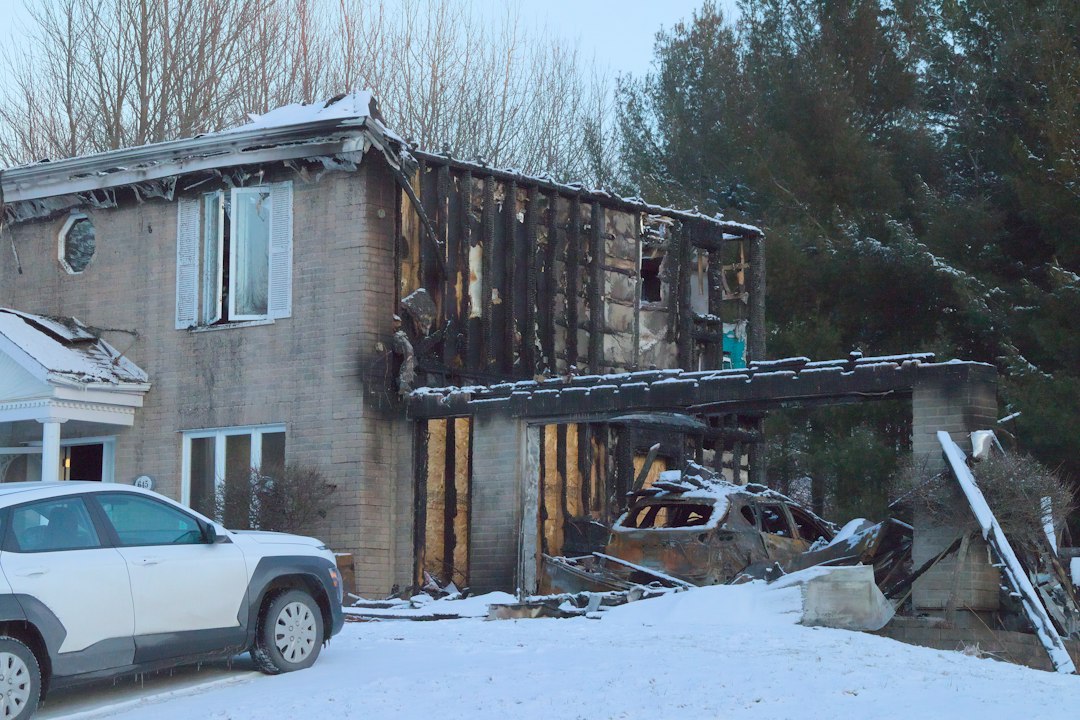
Safe and Efficient House Clearance After Fire Damage
The safe removal and restoration of your home after a fire is a critical step in the recovery process. This phase requires careful techniques to not only clean up the debris but also to prevent further damage and ensure a healthy environment. It's essential to understand that fire damage can leave behind not only physical traces but also emotional scars, so maintaining mental health post-fire is a crucial aspect of the recovery journey.
When considering house clearance after fire damage, the first step is to assess the safety of the structure. Local fire departments and regulatory bodies like the Occupational Safety and Health Administration (OSHA) provide guidelines for safe entry. Professional restorers will conduct a thorough inspection to determine the extent of the damage and identify hazardous materials, such as asbestos or lead, which may require specialized handling. If your kitchen was affected, restorers should take extra care to protect against smoke and water damage, ensuring that any contaminated surfaces are properly decontaminated.
The decision between professional vs. DIY fire restoration is a key one. While DIY methods can be cost-effective, they may not address the full scope of the issue. Professional restorers have the expertise and equipment to handle complex tasks, such as removing burnt debris, decontaminating, and restoring structures to their pre-fire condition. They also provide valuable peace of mind, especially when dealing with insurance claims. If you choose to tackle some aspects yourself, ensure you have the necessary protective gear and follow safety protocols, especially when dealing with hazardous materials.
As you begin the process, keep in mind the importance of maintaining a healthy environment. Fire can leave behind toxic odors and harmful residues. Contacting experts who specialize in removing these odors from the fire site is crucial. They employ advanced techniques to thoroughly clean and deodorize, ensuring your home is safe and comfortable. Our team at Removing Odors from Fire Site is equipped to handle these challenges, providing a fresh start after a traumatic event. Remember, restoring your home is not just about physical repair; it's about reclaiming your space and well-being.
Preventing Mold, Revitalizing, and Future Fire Safety
Revitalizing and Protecting Your Home After a Fire
Fire damage can leave your home in disarray, but it's crucial to take proactive steps to prevent further deterioration and ensure a complete recovery. One of the most significant challenges post-fire is the potential for mold growth, which can compromise both the structure and health of your family. To mitigate this risk, begin the house clearance process immediately. Remove all salvageable items, focusing on those that can be cleaned and restored. Discard any contaminated materials, such as burned furniture or insulation, following local regulations for hazardous waste disposal. Remember, mold thrives in damp, warm environments, so ensuring proper ventilation and addressing any water damage is paramount.
As you rebuild, consider implementing enhanced fire safety measures. This includes installing smoke alarms on every level of your home and testing them regularly. Upgrading to fire-resistant materials and adding fire sprinkler systems can also significantly improve your home's protection. If your property was insured, understand the process of How to File an Insurance Claim for Fire Damage to ensure you receive adequate compensation. Documenting the damage thoroughly and working with Restoration Experts can help streamline this process.
Protecting your valuable belongings is another critical aspect of fire recovery. Insuring Collectibles and Valuables After a Fire requires careful consideration. Consult with insurance professionals to assess the value of your items and explore options for replacement or restoration. For irreplaceable items, consider digitizing memories by photographing or scanning them. This digital archive serves as a valuable backup and ensures you don't lose precious memories. Remember, during the house clearance process, visit us at Salvageable Property After Fire to assess what can be restored, recycled, or responsibly discarded, ensuring a thorough and efficient recovery.
Frequently Asked Questions About Fire Damage A Homeowner's Practical guide
What is the first step after experiencing a fire at home?
After a fire, the immediate priority is safety. Evacuate everyone from the property and call the emergency services. Once the area is secured, assess the damage. Look for structural integrity issues, such as collapsed ceilings or floors. Document any damage with photos, and contact your insurance company. The next step is to remove all hazardous materials, including smoke and soot, to prevent further damage and health risks.
How do I safely remove burned belongings?
Burned belongings may be salvageable, but handling them requires care. Wear protective clothing, including gloves and a respirator, to avoid inhaling toxic fumes. Use a professional-grade smoke odor eliminator before attempting to clean items. For textiles, follow manufacturer instructions for cleaning or consider professional restoration. Hard surfaces like furniture can often be cleaned with specialized solutions, but severe burning may require replacement. Always consult with a professional restoration service for the best course of action.
What is the most cost-effective way to clear out fire damage debris?
Hiring a professional fire damage restoration service is the most efficient and cost-effective solution. They bring specialized equipment and expertise to safely remove debris, minimize secondary damage, and reduce cleanup time. Many services offer competitive pricing and packages tailored to your needs. Insist on a detailed estimate that outlines the work, materials, and labor costs to ensure transparency.
How can I prevent mold growth after a fire?
Mold thrives in damp environments, so the key to prevention is controlling moisture. Ensure proper ventilation during the cleanup process. Use dehumidifiers to reduce humidity levels and monitor areas prone to moisture buildup. Address any leaks immediately. After the debris removal, apply mold-inhibiting treatments recommended by professionals. Regularly inspect areas at risk for mold growth, and address any issues promptly to avoid extensive and costly mold removal.
What is the average cost of fire cleanup?
The cost of fire cleanup varies widely based on the size and extent of damage. Most installations take one to two days, involving labor, equipment, and materials. The average cost ranges from $10,000 to $40,000, but more severe fires can lead to bills exceeding $100,000. Factors influencing cost include local labor rates, the size of the property, the age of the building, and the level of damage. It's essential to receive detailed estimates from several reputable restoration companies for accurate budgeting.
After fire damage, the process of House Clearance is a critical step in the recovery journey. This guide has offered a comprehensive roadmap, from assessing damage and planning clearance, to safe removal and restoration techniques. By understanding the potential risks, such as mold prevention and the importance of professional assistance, homeowners can take proactive measures to revitalize their homes and safeguard against future fire safety hazards. The key insights emphasize the value of swift action, proper techniques, and expert guidance throughout the House Clearance After Fire Damage process. With these practical takeaways, homeowners are equipped to navigate the challenges, restore their properties, and regain a sense of security in their living spaces.
After a fire, a comprehensive house clearance process is vital. Begin by thoroughly assessing damage and creating a detailed inventory of salvageable items for insurance claims. Document all damage and decide on discarding or restoring items based on their value and condition. Prioritize safety and hire professionals for complex tasks like mold removal and fire restoration. Implement enhanced fire safety measures, insuring collectibles and valuables, and digitizing irreplaceable memories. For efficient recovery, consult experts in salvage, restoration, and insurance claims throughout the house clearance process.