When a fire damages your kitchen, it's more than just a structural loss. It's a disruption to your daily life, your routine, and your home's heart. House clearance after fire damage is crucial for both safety and psychological well-being. The aftermath can be overwhelming-soot-covered surfaces, charred belongings, and a lingering smell that lingers like a ghost.
This article guides you through the process, from assessing the damage to restoring your kitchen to its former glory or reimagining it entirely. We'll examine the safety aspects, best practices for removing debris, and the essential steps in reclaiming your space. We'll also explore how to navigate insurance claims and connect you with expert help, ensuring a smoother recovery journey.
- Assessing Fire Damage in Your Kitchen
- Safe Removal of Burned Items
- Efficient Fire Debris Cleanup
- Restoring Safe Food Storage Areas
- Revitalizing Your Kitchen's Workspaces
- Preventing Post-Fire Mold and Odors
Assessing Fire Damage in Your Kitchen
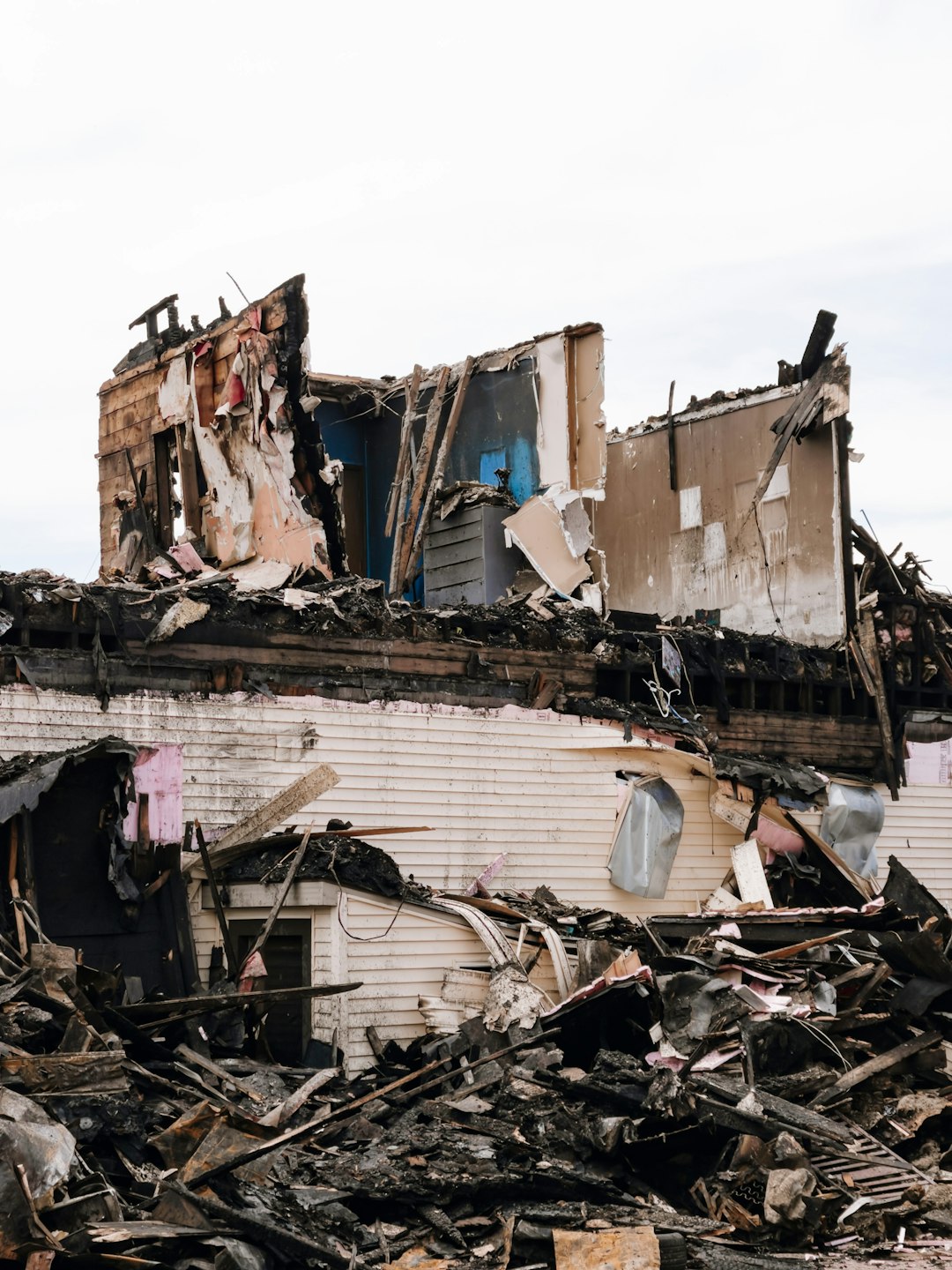
Assessing Fire Damage in Your Kitchen: A Practical guide
After a fire, the first step in restoring your home is a thorough assessment of the damage. Your kitchen, a central hub of any home, often suffers significant impacts during a fire. Understanding the extent of the damage is crucial for an effective and safe restoration process. This initial evaluation guides every decision made during the House Clearance After Fire Damage process, from the necessary repairs to the legal considerations that may arise.
Preparation strategies for evacuation due to fire play a significant role in mitigating the effects of a kitchen fire. Knowing the location of fire extinguishers and escape routes can make all the difference in a crisis. During the assessment, pay close attention to these aspects, as they can impact the overall damage and the steps required for cleanup. Understanding your homeowner's insurance coverage is another critical aspect of this process. Fire damage repairs can be costly, and knowing what your policy covers ensures you receive the necessary financial support for the restoration. The Insurance Regulatory Authority and the National Association of Insurance Commissioners offer valuable resources to help policyholders navigate these matters.
Legal considerations come into play when dealing with fire damage. It's essential to be aware of your rights and the responsibilities of those involved in the restoration process. The Local Insurance Brokers' Association can provide guidance on insurance claims, helping you understand the steps to take and the documents required. The Occupational Safety and Health Administration (OSHA) and the National Fire Protection Association (NFPA) offer standards and guidelines for fire damage assessment and remediation, ensuring a safe and compliant restoration. The NFPA provides specific protocols for fire investigation and cleanup, which can be invaluable for both homeowners and restoration experts.
When assessing fire damage, consider the help of professional restoration experts. They have the necessary tools and expertise, like those found in Essential Tools for Fire Damage Restoration, to evaluate the kitchen's structural integrity, identify hidden damage, and determine the best course of action. This includes understanding the impact of heat, smoke, and soot on various kitchen materials, which can affect the overall restoration plan.
Safe Removal of Burned Items

When the smoke clears, the real work begins: safely removing burned items from your kitchen. This is a critical step in the house clearance after fire damage process, as it not only prevents further damage but also affects your insurance claim and future safety. The impact of fire on home insurance rates can be substantial, with costs increasing based on the severity of the damage. That's why understanding how to handle burned possessions is crucial.
Start by assessing the damage. The National Fire Protection Association (NFPA) recommends that you take photographs of the affected areas, including the burned items, for your insurance claim. Then, consider the condition of the items. Some burned possessions might be salvageable, but only if they're not too severely damaged. Kitchen appliances might be repaired or replaced, but only if the fire didn't cause significant internal damage. If in doubt, consult with your insurance claim assistants. They can help you navigate the process and ensure you're claiming what's rightfully yours.
Next, it's time to decide what to keep and what to discard. Some items, like ceramics or metalware, might only have surface charring and can be cleaned and restored. Others, such as wood or fabric, might be beyond repair. Safe disposal is paramount, especially when dealing with soot and ash. The Occupational Safety and Health Administration (OSHA) emphasizes the importance of wearing protective gear when handling burned materials to prevent further health risks. Contacting local waste management services or specialized fire damage clearance companies can help ensure these items are disposed of safely and in accordance with local building codes.
Finally, if you're considering a temporary residence while your kitchen is restored, keep these tips in mind. When choosing a location, check local building codes and fire safety regulations. Many communities have strict rules post-fire to ensure future safety. If you're renting, discuss the situation with your landlord and ask about any necessary repairs or renovations. Remember, the house clearance after fire damage process is not just about restoring physical structures; it's also about ensuring your safety and peace of mind. For expert advice tailored to your situation, give us a call at House Restoration After Fire.
Efficient Fire Debris Cleanup
After a fire, the first step in restoring your home is efficient fire debris cleanup. This process requires careful handling to prevent further damage and ensure a safe environment. Start by separating salvageable from non-salvageable items, taking into account the extent of burning, water damage, and potential mold growth. Contact local professionals, like us at Cost-Effective Fire Clear Out, for a thorough assessment and safe disposal of hazardous materials.
A comprehensive cleanup involves more than just removing physical debris. It's crucial to address the underlying causes of fire damage, such as soot and ash. These residues can be toxic and require specialized equipment for safe removal. Following industry standards, like those set by the National Fire Protection Association (NFPA), ensures a thorough and eco-conscious restoration. Using appropriate personal protective equipment (PPE) and air filtration systems mitigates the risk of inhaling harmful particles.
As you begin the house clearance after fire damage, consider the broader implications for your home's energy efficiency and the environment. Many materials damaged by fire are non-biodegradable and contribute to waste. Opt for eco-friendly restoration practices by recycling or repurposing salvageable items and choosing sustainable building materials for repairs. Replace old, damaged cabinets with reclaimed or upcycled options, reducing the need for new resource extraction.
If your home is uninhabitable after the cleanup, remember to plan for temporary housing. Tips for renting a temporary residence post-fire include securing a reliable rental option, negotiating flexible lease terms, and ensuring the new space meets your family's specific needs. With proper preparation and expert guidance, you can navigate the fire damage restoration process with minimal stress, revitalizing your home while minimizing your environmental footprint.
Restoring Safe Food Storage Areas

Fire damage can leave your kitchen in disarray, with not just structural issues but also potential hazards for food safety. One of the critical steps in restoring your kitchen after a fire is ensuring that your food storage areas are thoroughly cleaned and safe. This involves a multi-step process that goes beyond simple scrubbing.
Navigating insurance denials post-fire damage can be stressful, especially for replacing damaged food storage units. Understanding your homeowner's insurance coverage is essential. A comprehensive policy will often cover the replacement of food storage appliances and cabinets damaged by fire, but documentation is key. We recommend a step-by-step guide documenting fire damage to support your claim. This includes taking photos of destroyed food storage areas, keeping receipts for temporary repairs or replacements, and maintaining a detailed log of expenses.
When preparing your kitchen for use after a fire, prioritize areas that have been directly exposed to smoke and heat. Even if appliances appear unharmed, consider them contaminated by smoke and ash. Remove all food items, including canned goods, packaged foods, and perishables. Dispose of any food that has been exposed to smoke, as it can absorb the smoky flavor and become unsafe to eat. We suggest consulting with a professional to assess the safety of your food storage areas and provide expert advice tailored to your specific situation.
Remember, give us a call at Customer Reviews for Fire Clearance if you need assistance navigating the process. Our team of restoration experts is here to help you safely restore your kitchen to its pre-fire condition, ensuring your family's health and well-being.
Revitalizing Your Kitchen's Workspaces
Revitalizing your kitchen after fire damage requires careful planning and the right approach to restore not just the space but also the functionality of your workspace. The initial step in any house clearance after fire damage is assessing the extent of the destruction and understanding what can be salvaged. This process involves more than just removing charred furniture; it includes evaluating the integrity of your kitchen's structure and its critical components, especially if the fire was severe.
Fire-resistant building materials play a pivotal role in kitchen renovation post-fire. Materials like stone, tile, and certain types of steel can withstand high temperatures, mitigating the impact of a fire. The National Fire Protection Association (NFPA) offers guidelines on fire-resistant construction, which can be invaluable for homeowners looking to rebuild. After assessing the structural soundness, the next step is to address any safety concerns. Fire safety inspections are crucial to ensure your kitchen meets safety standards and minimizes future risks. These inspections check for issues like exposed wiring, blocked exits, and inadequate fire suppression systems, all of which are common after a fire.
During the cleanup process, it's essential to consider the impact of fire on home insurance rates. The Local Insurance Brokers' Association recommends understanding your policy's coverage and deductibles to make informed decisions. You may be able to claim for repairs and replacements, but the process can be complex. Working with restoration experts and insurance claim assistants can streamline this. If your kitchen appliances were damaged, you might be able to replace them with energy-efficient models, potentially reducing insurance premiums. After all, many insurance companies offer incentives for fire safety upgrades and minimizing future risks. This is where understanding fire-resistant building materials and the role of fire safety inspections pays off.
Once the initial assessment and remediation are complete, you can begin the process of revitalizing your kitchen workspace. This involves careful selection of materials, appliances, and finishes to create a functional and aesthetically pleasing space. Visit us at Fire Damage Debris Cleanup for expert advice on every step, from removing odors and safely discarding burnt possessions to preventing mold growth and mitigating the financial impact through efficient home restore processes. The goal is to restore your kitchen to its former glory, ensuring it's not only safe but also a source of joy and convenience for your family.
Preventing Post-Fire Mold and Odors
Restoring Your Kitchen After Fire Damage: Preventing Post-Fire Mold and Odors
Fire damage can leave a kitchen in disarray, but a thorough cleanup and restoration process is crucial to prevent long-term issues. One of the most significant challenges post-fire is the potential for mold and unpleasant odors. These issues not only impact the air quality but can also affect the structural integrity of your kitchen and the overall value of your property. When considering the options for restoration, understanding the difference between professional vs. DIY fire restoration is essential. Professional services can provide specialized knowledge and equipment to mitigate mold growth, while DIY approaches may require more general knowledge and can be time-consuming.
The legal rights of landlords post-fire incident are also important to consider. Landlords must ensure the safety and well-being of tenants while adhering to local regulations and building codes. If you're planning to rent out the property temporarily, it's advisable to inform potential tenants about the fire damage and any ongoing restoration efforts. This transparency can help manage expectations and prevent disputes. A tenant might need to adjust their timeline for move-in if certain areas are still under repair.
For preventing mold and odors, professional restoration experts can play a pivotal role. They follow strict protocols, including removing charred and damaged materials, implementing specialized cleaning solutions, and using air purification systems. This comprehensive approach ensures that the kitchen is not only restored to its pre-fire condition but also safe for occupancy. If you're considering a DIY approach, ensure you have the necessary knowledge and resources. Using the wrong cleaning products or not removing contaminated materials can worsen the situation.
For those considering a temporary residence post-fire, there are several options to explore. Local storage facilities can provide a safe space for your belongings while you work on restoring your kitchen. Give us a call at Restoring Fire-Affected Rooms for expert advice and support. From legal guidance to practical tips, professionals can assist in navigating the post-fire process, ensuring your kitchen is not only functional but also free from the lingering effects of smoke and mold.
Frequently Asked Questions About Restoring Your Kitchen After Fire Damage
What is the first step after a kitchen fire?
The immediate priority is ensuring safety and containing the damage. Turn off the gas and power at the main shutoff valves. If there's extensive smoke or water damage, evacuate and contact your insurance company. Document the damage with photos for your claim. A professional fire restoration service should assess and begin the cleanup process, which includes removing charred items, decontaminating surfaces, and drying out the area to prevent mold growth.
How do I know if my kitchen appliances are safe to use after a fire?
All appliances exposed to fire must be thoroughly inspected and tested by a qualified technician. Some appliances may be repaired, while others, like ovens and ranges, may need to be replaced due to internal damage from heat, smoke, and water. Always rely on a professional to ensure your appliances meet safety standards and function correctly after a fire.
Can I clean and restore my kitchen cabinets after a fire?
Cabinets damaged by smoke and heat can often be restored. Remove the doors and drawers, then use a degreaser and a soft cloth to clean the surfaces. Sand any charred or discolored areas gently, then prime and paint with fire-resistant paint. For severe damage, consider replacing the affected cabinets to ensure structural integrity and fire safety.
What materials are best for rebuilding a kitchen after a fire?
When choosing materials for rebuilding, opt for fire-resistant and smoke-free options. Consider fireproof insulation, glass or metal kitchen cabinets, and non-combustible backsplashes. Choose appliances with built-in safety features and regular maintenance schedules. Hardwood floors are generally safer than carpeting, and consider tile or linoleum for added protection against fire and water damage.
How long does the restoration process take?
The timeline for restoring a kitchen after a fire varies based on the extent of damage. Major renovations, including structural repairs, new appliances, and finishes, can take several weeks. However, temporary fixes, like cleaning, repainting, and replacing damaged items, can be completed in a few days with the help of professionals.
Restoring your kitchen after fire damage requires a thorough, yet delicate approach. By carefully assessing the extent of the damage, safely removing charred items, and efficiently cleaning up debris, you lay the groundwork for a revitalized space. Restoring safe food storage areas and reclaiming workspaces ensures your kitchen once again serves as the heart of your home. Preventing post-fire mold and odors is crucial to preserve both the health and aesthetics of your space. Following these steps, you'll not only clear the physical damage but also create a clean, safe, and comforting environment for your family. For a comprehensive house clearance after fire damage, consider enlisting professionals who understand the unique challenges and can guide you through every step.
After a kitchen fire, a thorough assessment is crucial for House Clearance After Fire Damage. This includes understanding damage extent, preparation for evacuation, insurance coverage, legal considerations, and the role of professional restoration experts. Fire-resistant materials and safety inspections are key to rebuilding. During cleanup, consider insurance implications and prevent post-fire mold and odors through professional intervention. Landlords must prioritize tenant safety and transparency. DIY restoration requires proper knowledge, and temporary living options are available through storage facilities and expert advice.